You expect the morning sickness. You expect the fatigue. You even expect the eventual back pain. But few people warn you about the gas. For many expectant mothers, bloating arrives long before the baby bump pops, making jeans feel tight weeks before the baby is the size of a blueberry.
You might feel like a balloon ready to burst, or perhaps you experience sharp, stabbing pains in your sides that make you worry something is wrong. Rest assured, this is one of the most common—albeit least glamorous—side effects of pregnancy. While you cannot stop your hormones from shifting, you can manage the symptoms. This article explains exactly why your digestive system slows down during pregnancy and offers actionable strategies to relieve the pressure.
What is Pregnancy Bloating?
Pregnancy bloating refers to the uncomfortable sensation of fullness, tightness, or swelling in the abdomen caused by the buildup of gas. It is not the same as gaining weight or the physical growth of the uterus (though both contribute later on). Instead, it is a digestive issue.
When you become pregnant, your body prioritizes the baby. It changes how you process food and nutrients. As a result, your stomach and intestines work differently than they did before. Gas that you would normally pass unnoticed gets trapped in the intestines, pushing outward against your abdominal wall. This creates that distinct "tight" and uncomfortable feeling, often accompanied by visible distension of the belly.
When Does Bloating Start During Pregnancy?
You might assume bloating happens later, when the baby is big. However, for most women, bloating strikes in the first trimester, often as early as week 4 or 5.
In fact, many women report that their clothes feel tight around the waist before they even announce their pregnancy. This early bloating occurs because of the rapid hormonal surge immediately following conception. While the bloating often persists throughout the entire nine months, the cause shifts. In the first trimester, hormones drive the issue. In the second and third trimesters, the physical pressure of the growing uterus on your stomach and intestines keeps the problem alive.
Symptoms of Bloating During Pregnancy
How do you distinguish between a baby bump and a gas baby? The symptoms of pregnancy bloating are distinct and often fluctuate throughout the day.
- Abdominal Tightness: Your stomach feels hard and tight to the touch, rather than soft.
- Excessive Flatulence: You pass gas more frequently than usual, often without the ability to control it.
- Burping and Belching: Gas escapes from the stomach through the mouth, often leaving an acidic taste.
- Rumbling Noises: Your stomach makes loud gurgling sounds (borborygmi) as gas moves through the intestines.
- Abdominal Cramping: Trapped gas causes sharp, stabbing pains that can move around your belly.
- Fluctuating Size: Your belly looks flat in the morning but significantly larger (like you are 6 months pregnant) after dinner.
Is Bloating a Sign of Pregnancy?
Yes, bloating stands as one of the earliest signs of pregnancy. However, it is a tricky symptom to rely on because it mimics premenstrual syndrome (PMS).
During a normal menstrual cycle, progesterone levels rise just before your period, often causing mild bloating. If you are pregnant, those progesterone levels do not drop; they continue to soar. Consequently, many women feel "puffy" or bloated and assume their period is coming, only to find out later they are pregnant. If you experience persistent bloating alongside other early signs—such as breast tenderness, fatigue, or a missed period—it strongly points toward pregnancy.
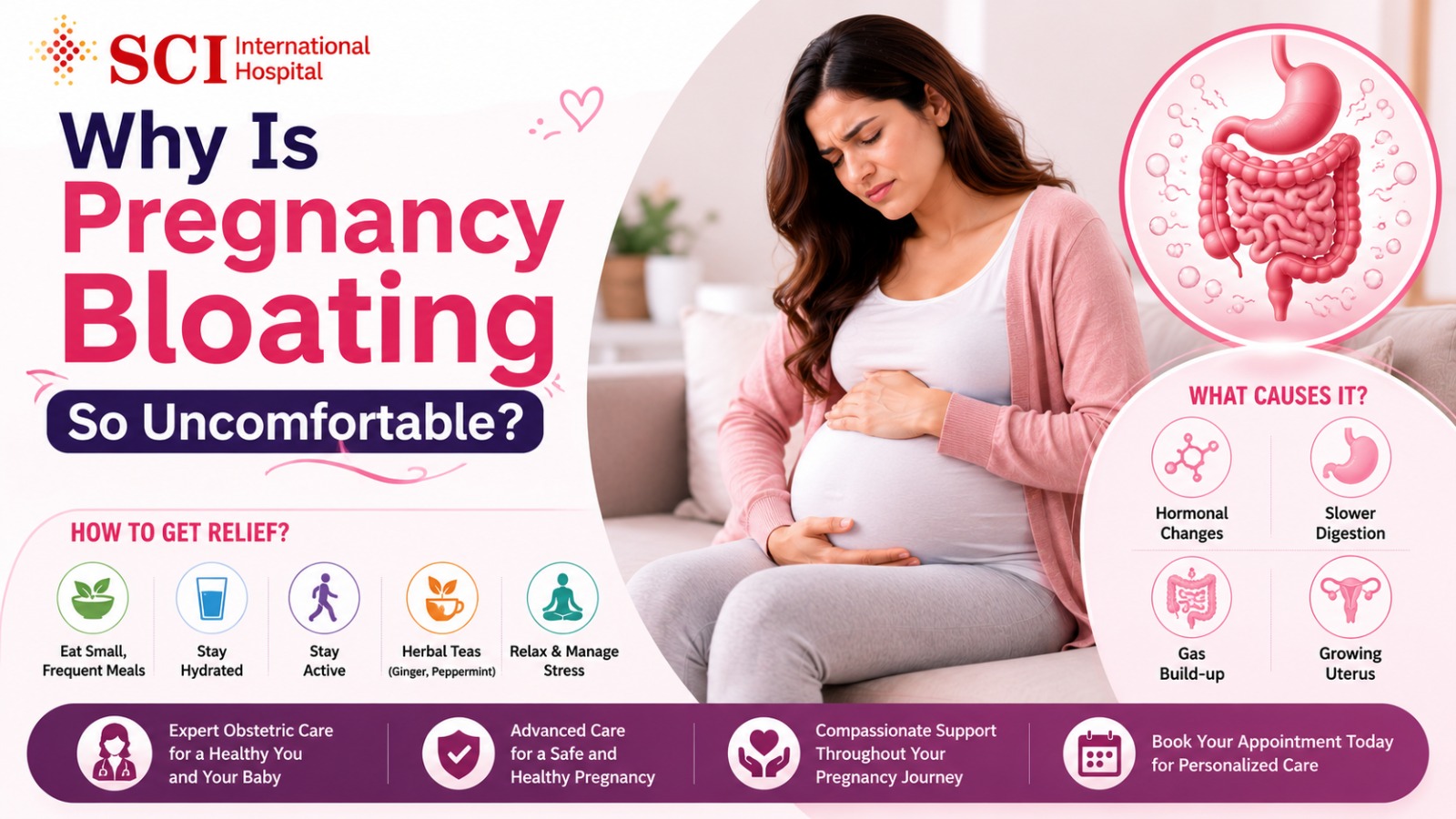
What Causes Bloating During Pregnancy?
Why does this happen? The answer lies in a combination of chemistry and anatomy.
1. The Progesterone Surge
Progesterone is the primary culprit. Doctors often call it the "pregnancy hormone" because it supports the uterine lining. However, progesterone is also a muscle relaxant. It relaxes smooth muscle tissue throughout the entire body to prevent the uterus from contracting and expelling the pregnancy. Unfortunately, your digestive tract is also made of smooth muscle. When progesterone relaxes the intestines, digestion slows down significantly. Food stays in the gut longer, giving bacteria more time to ferment it, which produces excess gas.
2. The Expanding Uterus
As your pregnancy progresses into the second and third trimesters, your uterus grows from the size of a pear to the size of a watermelon. This massive organ competes for space in your abdominal cavity. It pushes the stomach and intestines upward and squashes them. This physical compression makes it difficult for gas to move through the system, creating pockets of trapped air.
3. Constipation
Bloating and constipation go hand-in-hand. Because progesterone slows digestion, stool moves slowly through the colon. The longer stool sits in the colon, the more water the body reabsorbs from it, making the stool hard and difficult to pass. This backlog of waste creates a blockage that traps gas behind it.
4. Prenatal Vitamins
Iron is essential for preventing anemia during pregnancy, and most prenatal vitamins contain high doses of it. However, iron supplements are notorious for causing constipation and black stools. If your bloating started immediately after you began taking vitamins, the iron content might be the cause.
How to Relieve Bloating During Pregnancy?
When the pressure builds, you want immediate relief. While you cannot eliminate the hormones, you can help your digestive system move things along.
1. Get Moving
Exercise is the most effective way to massage your intestines. You do not need to run a marathon; a brisk 20-minute walk can stimulate the digestive tract and force gas bubbles to move through the system.
2. Hydrate Aggressively
It sounds counterintuitive to drink water when you feel full, but water is essential. It prevents constipation by keeping stools soft. When you eliminate constipation, gas can exit the body freely. Aim for at least 8 to 10 glasses of fluids daily.
3. Change Your Position
Gravity helps. If you feel trapped gas, try specific positions:
- Elevate your legs: Lie down and prop your legs up on pillows.
- The Squat: A deep squat opens the pelvic floor and helps release gas.
- Child’s Pose: This yoga pose compresses the abdomen gently and encourages gas release.
4. Use a Stool Softener
If constipation causes your bloating, ask your doctor about a stool softener. Unlike harsh laxatives (which stimulate cramping), stool softeners simply add moisture to the waste, making it easier to pass without triggering uterine contractions.
How to Avoid Gas During Pregnancy
Prevention is better than cure. By adjusting your daily habits, you can minimize the amount of air you swallow and the amount of gas your body produces.
1. Eat Small, Frequent Meals
Three large meals overwhelm a slow digestive system. Instead, graze throughout the day. Eat six small meals. This keeps the stomach less full and gives your intestines ample time to process the food without creating a backlog.
2. Identify and Avoid Trigger Foods
Certain foods are notorious gas producers. While healthy, you may need to limit them if you are suffering:
- Cruciferous Vegetables: Broccoli, cauliflower, cabbage, and Brussels sprouts contain complex sugars that are hard to break down.
- Beans and Lentils: These are high in fiber and raffinose, a sugar that produces gas.
- Fried and Fatty Foods: Fat slows digestion even further, keeping food in your stomach longer.
- Carbonated Drinks: Soda and sparkling water introduce gas directly into your stomach.
3. Chew Your Food Thoroughly
Digestion begins in the mouth. If you eat quickly, you swallow air with every bite. Chew your food until it is almost liquid before swallowing. This reduces the work your stomach must do and minimizes the air you ingest.
4. Skip the Straws and Gum
Drinking through a straw and chewing gum act as air vacuums. They force you to swallow excess air, which settles in your digestive tract as painful gas bubbles. Drink directly from a glass and avoid gum.
5. Incorporate Fiber Gradually
Fiber helps constipation, but adding too much too quickly causes more gas. Slowly increase your intake of fruits, oatmeal, and whole grains over several weeks to let your gut bacteria adapt.
Conclusion
Pregnancy bloating is an uncomfortable, unglamorous, but entirely normal part of growing a human. It serves as proof that your body is producing the necessary hormones to support your baby. While you cannot switch off the progesterone, you can control how you treat your gut.
By eating smaller meals, staying active, and hydrating well, you can minimize the discomfort. However, always listen to your body. If the bloating comes with severe abdominal pain, bloody stools, or severe vomiting, consult your doctor immediately to rule out other issues. Otherwise, wear comfortable pants, drink your water, and remember: this too shall pass (literally).