Many people experience joint pain and discomfort and usually ignore it. It could be stiffness in the morning, pain in the knees after walking down stairs, or discomfort when climbing stairs. Usually, the first thing that comes to mind is “arthritis.” But what most people overlook is the fact that arthritis isn’t a single case. It is a collective term and osteoarthritis is just one baby branch.
Differentiating osteoarthritis and arthritis helps to identify unhealthy symptoms early and access the correct remedy before other issues develop. Having the right information is extremely important in safeguarding your joints from continuous damage; these joints will become increasingly of a premium to your mobility the older you get.
What Is Arthritis?
Arthritis means that there's swelling in the joints. It's not one specific illness. It's a collection of problems that target the joints and nearby tissues. There are over 100 kinds of arthritis and they can affect just about anyone, even kids and young adults.
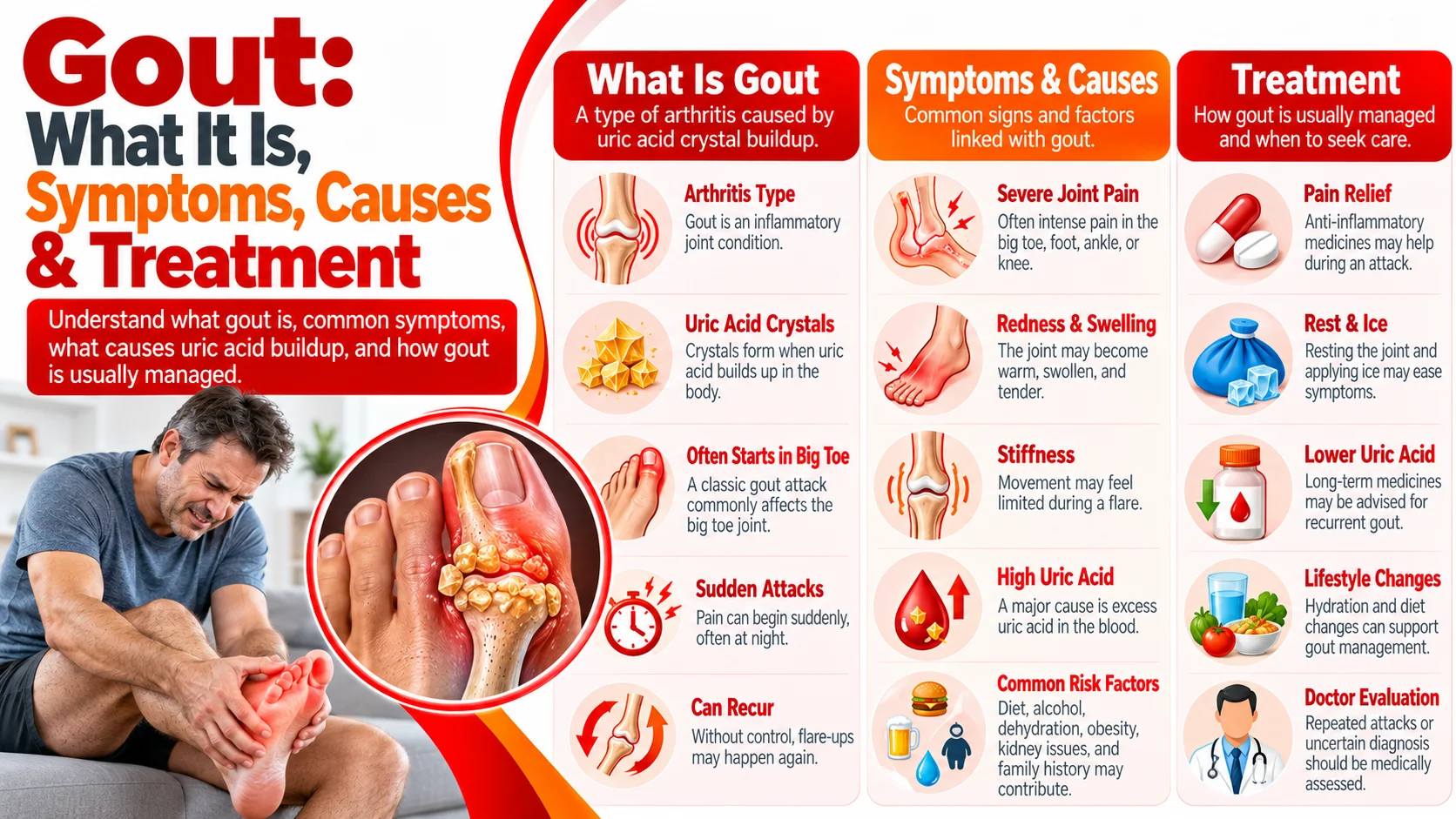
Arthritis can be caused by different things. In the case of rheumatoid arthritis, that happens because the body gets confused, and the immune system starts attacking good tissues in the joints. There can also be infections, problems in the body like gout, or just the result of a joint being hurt for a very long time. Pain can be very mild or extreme, and because of that, there can even be joint deformities. Different types of arthritis also mean different treatment plans.
What Is Osteoarthritis?
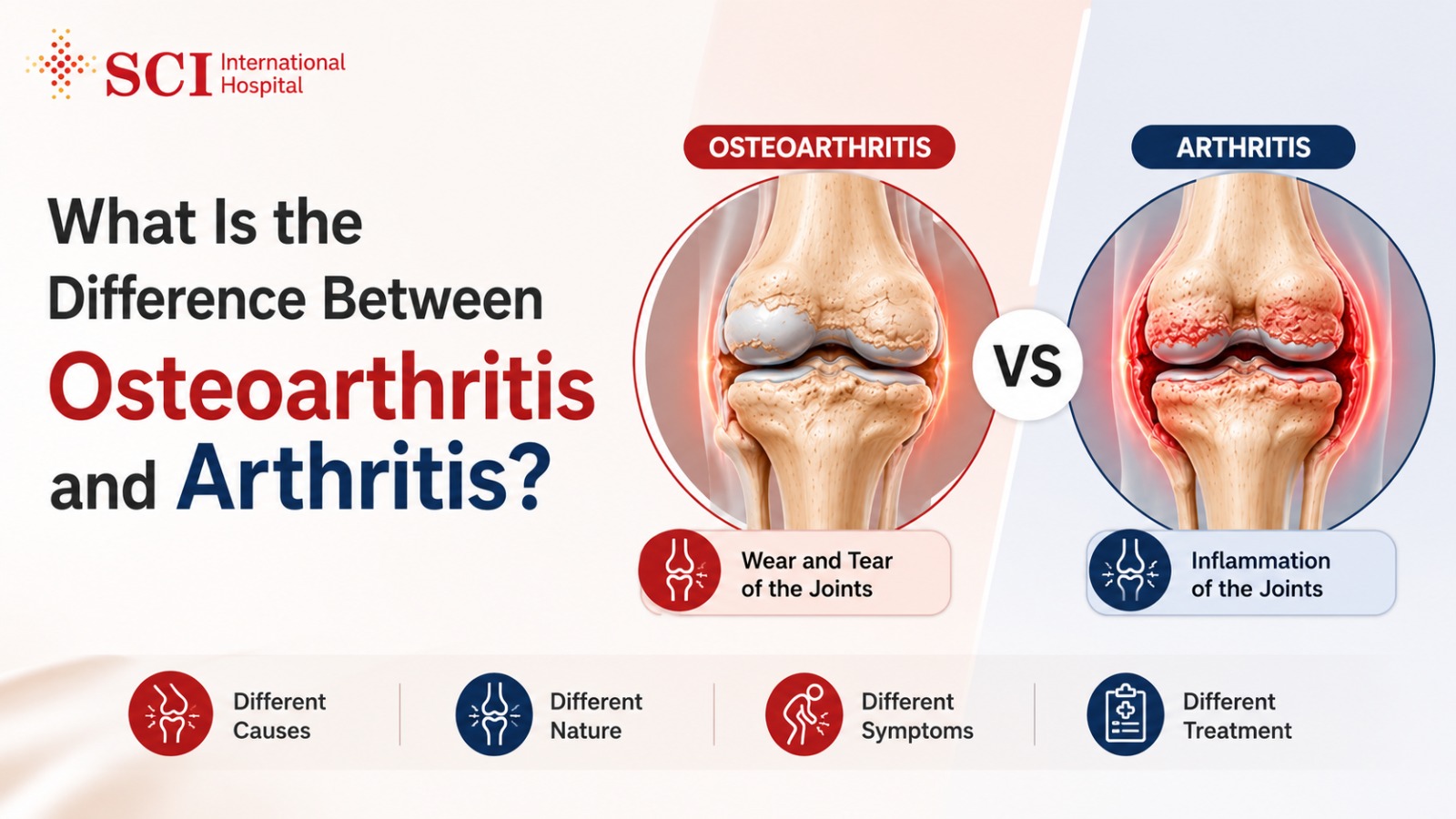
Osteoarthritis is the most common type of arthritis and is often associated with getting older. It is the result of many years of gradual development where the cartilage that protects the bones begins to deteriorate. Cartilage is an absorber of shocks at the joint, and it enables the joint to move without any pain. When this layer is thin or damaged, it results in the bones of a person rubbing against one another, and this brings about pain, stiffness, and a limited range of movement.
Osteoarthritis usually involves weight-bearing joints like the knees and hips. It can, however, also include the hands and spine. Pinpointing the cause of osteoarthritis is usually a result of the wear and tear of a joint. Primary risk factors include older age, being overweight, sustaining a previous injury to a joint, a lot of repetitive movement at the joints, and it may be hereditary. If the condition isn’t managed well or at all, it may deteriorate even more over the years.
Osteoarthritis vs Arthritis: Key DifferencesThis comparison helps clearly explain osteoarthritis vs arthritis and why a correct diagnosis is important.
Symptoms: How to Tell the Difference?
Osteoarthritis Symptoms
- Joint pain, which gets worse when you move
- Stiffness in the morning, but less than half an hour
- Stiffness after sitting for a while
- Weird crackling noises when you move
- Flexibility decreasing slowly
- Pain focused on a couple of specific joints
Inflammatory Arthritis Symptoms
- Morning stiffness that lasts over an hour
- Noticeable swelling, heat, and pain
- Pain during rest
- Symmetrical joints pain (both hands or both knees)
- Fatigue
- Low grade fever pain
Symptoms that persist are worth checking out by a doctor.
Diagnosis of Osteoarthritis and Arthritis
- Talk about symptoms and medical history
- Tell about any physical exams with the joints
- Have any X-rays done to study new bone or changes to the joint space
- An MRI may be needed if less visible tissue needs to be evaluated
- Do blood work to figure out if there’s autoimmune blood markers
- In some cases, the joint fluid is examined
It's best to catch these things early to manage and treat the lasting damage to joints.
Treatment Options for Osteoarthritis and Arthritis
Non-Surgical Treatment
- Medications prescribed for pain
- Medications prescribed for inflammation
- Physiotherapy and exercises to build strength
- Joint stress management through weight loss
- Protective changes to the lifestyle
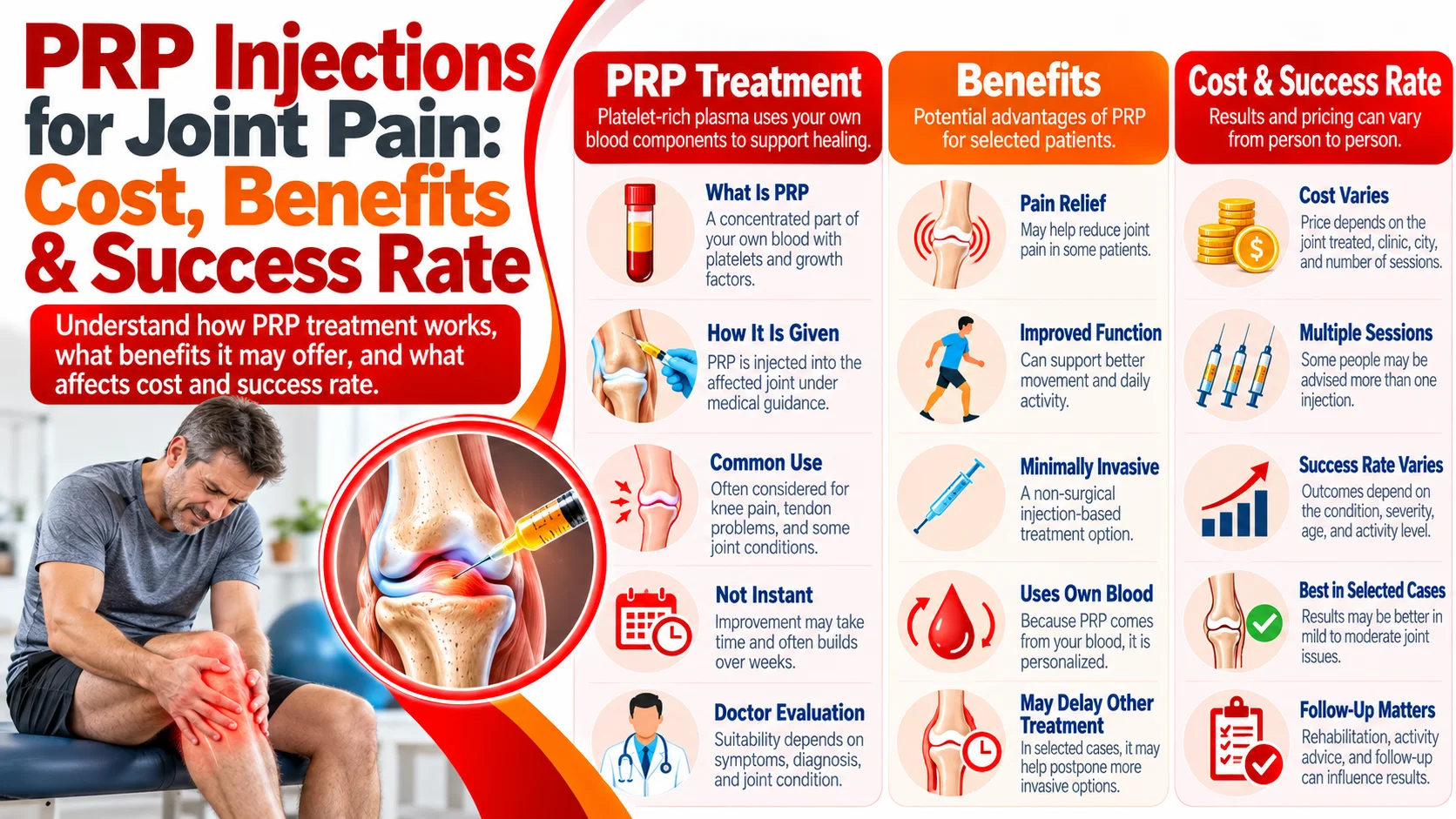
- When necessary, injection of corticosteroids or lubricants
Surgical Treatment
- Arthroscopy for cleaning or repair of joints
- Joint surgery for corrective purposes
- Replacement of joints
- In extreme cases, full replacement of the joints
The type of arthritis, health, and the severity of symptoms determine a patient’s treatment plan.
When Should You See an Orthopaedic Specialist?
- Pain lasting a few weeks with swelling that has not gotten better
- Feeling pain while walking or climbing stairs
- Lessening the ability to do an activity
- Worsening pain even with medication
Medication can help slow the progression of the disease and can help make your life better.
Conclusion
Even if arthritis and osteoarthritis are usually considered the same thing, they are different. Arthritis is a general term for any inflammation of the joints, while osteoarthritis refers to the degeneration of damage caused by the wearing down of cartilage.
When arthritis and osteoarthritis are differentiated, it better explains the patient’s case.
If you are feeling any type of pain in your joints or a reduction in the range of motion, it is best to get in touch with skilled Orthopaedic surgeons at SCI International Hospital in Delhi, as they will ensure you get the right care and treatment and ensure you comfort.