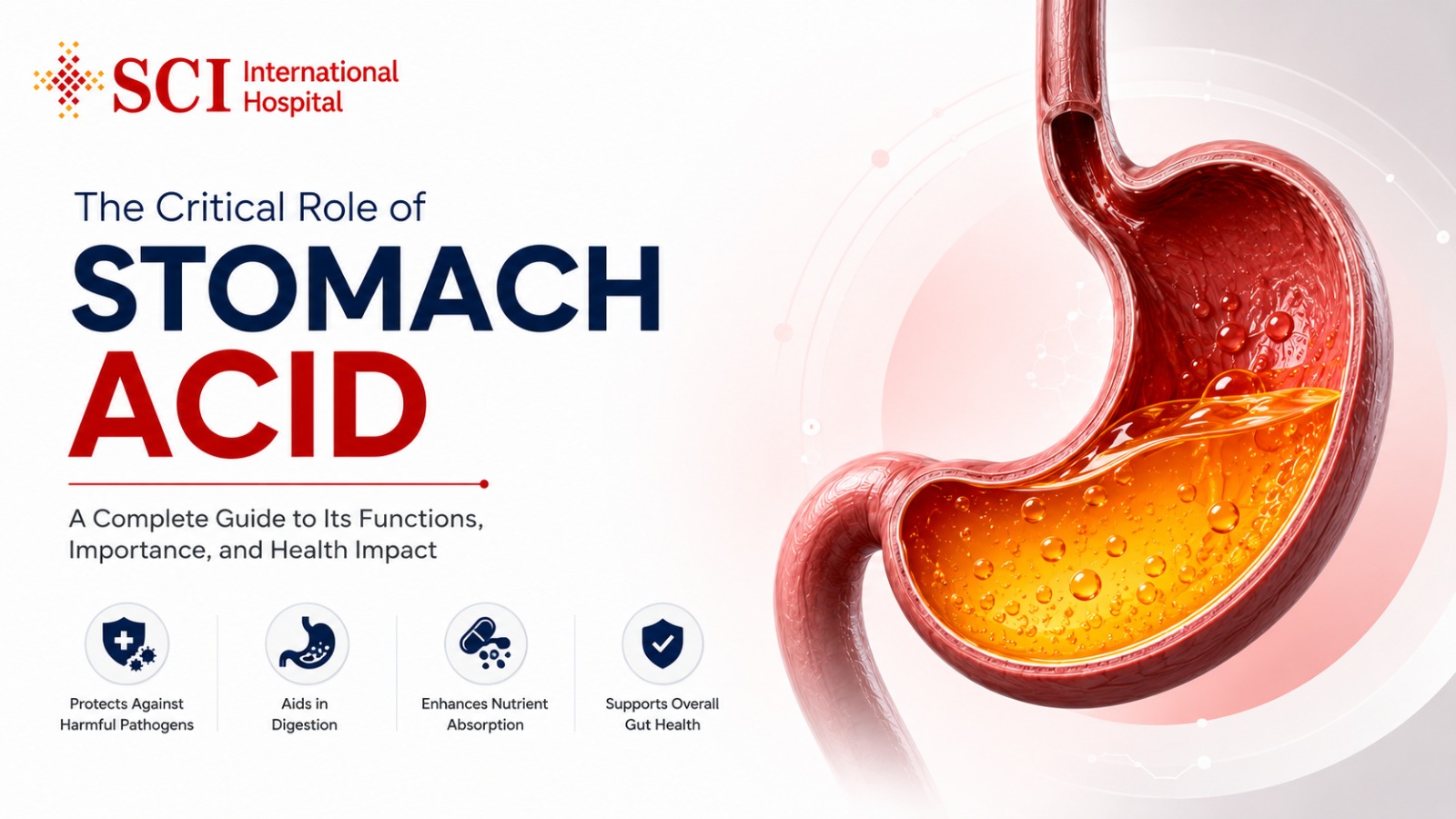
Your body performs remarkable feats every single day, and one of the most impressive happens right after you eat. Your stomach produces approximately 1.5 liters of powerful gastric juice daily—an acidic mixture so potent it maintains a pH between 1 and 3, comparable to battery acid. Yet despite this strength, stomach acid remains one of the most misunderstood components of human health, often blamed for problems it's actually preventing. The truth is that the role of acid in your stomach extends far beyond simple digestion—it's a cornerstone of your overall health, immunity, and nutrient absorption. This guide will explore what stomach acid is, why it's so important, what happens when it's out of balance, and how you can support its healthy function naturally.
What Is Stomach Acid? (And Why Is Its pH So Low?)
Stomach acid, more formally known as gastric acid, is a digestive fluid secreted by specialized cells in your stomach lining. To understand its power, consider the pH scale, which measures acidity from 0 (most acidic) to 14 (most alkaline), with 7 being neutral. Your stomach maintains an incredibly acidic environment with a pH between 1.5 and 3.5—more acidic than lemon juice but comparable to the digestive systems of scavenger animals that need protection from pathogens in decaying food.
The primary component is hydrochloric acid (HCl), produced by specialized parietal cells located in the gastric glands of your stomach wall. These remarkable cells use an enzyme called the H⁺-K⁺-ATPase (commonly known as the "proton pump") to actively transport hydrogen ions into the stomach while exchanging them for potassium ions. This energy-intensive process creates the acidic environment necessary for digestion.
However, gastric juice is more than just hydrochloric acid. It's a complex mixture containing several components that work together: pepsinogen (an inactive enzyme that becomes pepsin when activated by acid), gastric lipase (which begins fat digestion), intrinsic factor (essential for vitamin B12 absorption), and protective mucus and bicarbonate. This sophisticated combination allows your stomach to perform multiple functions simultaneously while protecting itself from damage.
The Core Functions: What Does Stomach Acid Do for Your Body?
Understanding what stomach acid does reveals why maintaining its balance is so critical. Far from being just a digestive aid, stomach acid serves four essential functions that impact your entire body.
1. Breaking Down Food and Activating Digestive Enzymes
The most recognized stomach acid function is initiating protein digestion. When you consume protein-rich foods—meat, eggs, dairy, or legumes—the protein molecules are tightly folded into complex three-dimensional structures. The acidic environment causes these proteins to unfold through a process called denaturation, exposing their chemical bonds so digestive enzymes can access them.
This acidic environment also performs another crucial task: activating pepsin, one of your body's primary protein-digesting enzymes. Your stomach's chief cells secrete an inactive precursor called pepsinogen. When pepsinogen encounters hydrochloric acid, it undergoes a chemical transformation, converting into active pepsin [22]. Pepsin then begins breaking down protein chains into smaller peptide fragments, preparing them for final digestion and absorption in your small intestine. Without adequate stomach acid, this entire cascade fails, leaving proteins largely undigested regardless of how well you chew your food.
2. Your First Line of Immune Defense
While most people associate immunity with white blood cells and antibodies, your stomach acid provides a critical first line of defense that's often overlooked. Every day, you consume food and water containing countless bacteria, viruses, and other potentially harmful microorganisms. The intensely acidic environment of your stomach acts as a powerful sterilization chamber, destroying most pathogens before they can reach your intestines and establish infection.
This protective function explains why people taking acid-suppressing medications, particularly proton pump inhibitors (PPIs), often experience increased susceptibility to gastrointestinal infections. Without adequate acid to kill harmful bacteria like Salmonella, Campylobacter, and even parasites, these organisms can more easily colonize your digestive tract and cause illness. Your stomach acid kills bacteria not through direct chemical destruction alone, but by maintaining a pH so low that most pathogens simply cannot survive.
3. Unlocking Essential Nutrients for Absorption
Perhaps the most underappreciated role of stomach acid is its function in nutrient absorption. You can consume a nutrient-rich diet, but without adequate stomach acid, many of those nutrients will pass through your system unused. Stomach acid facilitates the absorption of several critical minerals through a process called ionization—transforming mineral compounds into forms your intestines can actually absorb.
Consider iron, one of the most commonly deficient minerals worldwide. Dietary iron exists in complex compounds bound to other molecules. Stomach acid breaks these bonds and converts iron into its ionic form, making it absorbable in your small intestine. Without sufficient acid, iron remains in its bound state and is excreted, leading to iron deficiency anemia even when dietary intake seems adequate. The same process applies to calcium, magnesium, zinc, and other essential minerals.
Stomach acid also plays an indispensable role in vitamin B12 absorption through a more complex mechanism. First, the acid releases B12 from the proteins it's bound to in food. Then, intrinsic factor—a protein also secreted by your stomach—binds to the freed B12, creating a complex that can be absorbed later in your small intestine [83]. This two-step process means that low stomach acid inevitably leads to B12 deficiency, which can cause fatigue, neurological problems, and pernicious anemia.
4. Regulating the Digestive Process
Finally, stomach acid orchestrates the entire digestive cascade. When your stomach produces adequately acidic chyme (the semi-liquid mixture of partially digested food), it signals the rest of your digestive system to prepare for the next phase. The acidic chyme triggers your pancreas to release digestive enzymes and prompts your gallbladder to release bile, both essential for digesting fats and further breaking down nutrients in your small intestine.
Stomach acid also regulates the pyloric sphincter—the muscular valve between your stomach and small intestine. This sphincter opens and closes in response to the acidity of stomach contents, ensuring food stays in your stomach long enough to be properly processed but doesn't remain so long that it causes discomfort or reflux.
How Is Stomach Acid Produced and Regulated?
The production of stomach acid is a highly sophisticated, tightly regulated process. Parietal cells, located in the gastric glands of your stomach wall, are responsible for secreting hydrochloric acid. These cells contain the H⁺-K⁺-ATPase enzyme, a molecular pump that actively transports hydrogen ions (H⁺) out of the cell and into the stomach lumen while simultaneously pumping potassium ions (K⁺) back in.
Gastric acid secretion occurs in three coordinated phases. The cephalic phase begins even before food enters your stomach—the sight, smell, or even thought of food triggers your brain to send signals via the vagus nerve, stimulating acid production. This phase accounts for about 30% of total acid secretion. The gastric phase begins when food actually enters the stomach, with stomach distension and the presence of proteins triggering the release of gastrin, a hormone that powerfully stimulates parietal cells to produce more acid. This phase contributes about 50-60% of total secretion. Finally, the intestinal phase provides feedback regulation as partially digested food enters the small intestine, either stimulating or inhibiting further acid production depending on the body's needs.
Multiple regulatory molecules fine-tune this process. Histamine, released by cells in the stomach lining, amplifies acid secretion. Gastrin from G-cells powerfully stimulates parietal cells. Acetylcholine from nerve endings provides neural control. Conversely, somatostatin acts as a brake, inhibiting acid production when appropriate. This complex regulatory network ensures your stomach produces exactly the right amount of acid at the right time.
The Stomach's Brilliant Self-Defense: How It Avoids Digesting Itself
Given that stomach acid can dissolve protein and is corrosive enough to damage tissue, a logical question arises: why doesn't the stomach digest itself? Your body employs multiple protective mechanisms to prevent this.
The most important protection is a thick mucus layer secreted by specialized cells throughout the stomach lining. This viscous gel creates a physical barrier between the acidic contents and the delicate stomach wall. Beneath this mucus layer, epithelial cells secrete bicarbonate, which neutralizes any acid that penetrates the mucus, creating a pH gradient from highly acidic in the stomach's center to nearly neutral at the tissue surface.
Additionally, your stomach lining undergoes remarkably rapid cell turnover—the entire gastric epithelium is completely replaced every 3-5 days. This constant renewal repairs any damage before it can accumulate. Other protective factors include prostaglandins (which promote tissue repair and mucus production), nitric oxide (a signaling molecule that helps regulate acid secretion), and adequate blood flow to the stomach lining, which removes toxins and delivers oxygen and nutrients.
When Balance Is Lost: Disorders of Stomach Acid
Problems arise when stomach acid levels become too high or too low. Understanding both conditions is essential for recognizing symptoms and seeking appropriate treatment.
Low Stomach Acid (Hypochlorhydria)
Hypochlorhydria—insufficient stomach acid production—is far more common than most people realize, affecting an estimated 30-50% of adults over age 60. Despite its prevalence, this condition is frequently underdiagnosed because its symptoms mimic those of high acid.
Common causes include advancing age (acid production naturally declines), chronic stress (which suppresses digestive function), H. pylori infection (which can damage acid-producing cells), long-term use of acid-suppressing medications, autoimmune conditions affecting parietal cells, and nutrient deficiencies (particularly zinc and B vitamins needed for acid production).
Symptoms of low stomach acid include bloating and gas (especially after meals), indigestion despite eating easily digestible foods, visible undigested food particles in stool, frequent infections (due to reduced pathogen killing), chronic nutrient deficiencies (particularly iron and B12), and paradoxically, heartburn and reflux (caused by delayed stomach emptying and fermentation). The long-term consequences can be serious: malnutrition, anemia, osteoporosis (from poor calcium absorption), increased infection risk, and potentially increased risk of stomach cancer.
High Stomach Acid and Related Issues
True hyperchlorhydria (excessive stomach acid production) is relatively rare and is usually associated with specific conditions like Zollinger-Ellison syndrome, where tumors cause overproduction of the hormone gastrin. More commonly, symptoms attributed to "too much acid"—heartburn, acid reflux, and GERD (gastroesophageal reflux disease)—are actually caused by dysfunction rather than excessive acid production.
Interestingly, research suggests that up to 90% of people experiencing acid reflux may actually have low stomach acid rather than high acid. When acid production is insufficient, food remains in the stomach longer than normal, fermenting and creating gas. This gas increases pressure in the stomach, forcing the lower esophageal sphincter (LES) to open inappropriately, allowing even small amounts of acid to reach the esophagus and cause symptoms.
True complications of excessive acid or reflux include esophagitis (inflammation of the esophagus), peptic ulcers, gastritis (stomach inflammation), and in severe chronic cases, Barrett's esophagus (a precancerous condition). These conditions require proper medical diagnosis and treatment.
How to Support Healthy Stomach Acid Levels Naturally
Supporting healthy stomach acid production involves lifestyle, dietary, and stress management strategies:
Lifestyle Modifications:
- Practice mindful, relaxed eating—stress suppresses acid production
- Chew food thoroughly to mechanically break down food and stimulate digestive secretions
- Avoid drinking large amounts of water with meals, which can dilute stomach acid
- Manage chronic stress through meditation, deep breathing, or yoga
Dietary Strategies:
- Consider fermented foods like sauerkraut, kimchi, and kefir, which contain natural acids and probiotics
- Ensure adequate protein intake to stimulate gastrin release
- Consume foods rich in zinc and B vitamins, which support acid production
- Some people find a small amount of apple cider vinegar before meals helpful, though evidence is limited
Supplemental Support (with professional guidance):
- Betaine hydrochloride (HCl) supplements can provide temporary acid support but should only be used under professional supervision
- Digestive enzyme supplements may help while addressing root causes
- Avoid long-term acid-suppressing medications unless medically necessary
Always consult a healthcare provider before making significant changes, especially if you're taking medications or have diagnosed digestive conditions. Professional testing can accurately determine your acid levels and identify underlying causes.
Frequently Asked Questions About Stomach Acid
Q: What are the main symptoms of low stomach acid?
Bloating after meals, undigested food in stool, chronic nutrient deficiencies (especially iron and B12), frequent infections, and paradoxically, heartburn and reflux due to delayed stomach emptying.
Q: How can I test my stomach acid levels at home?
The baking soda test (drinking baking soda solution and timing how long until you burp) provides a rough indication, but professional testing through your doctor is more accurate and reliable.
Q: What neutralizes stomach acid?
Bicarbonate (naturally secreted by stomach cells), antacids containing calcium carbonate or aluminum hydroxide, and certain foods like milk can temporarily neutralize stomach acid.
Q: Can you digest food without stomach acid?
Partial digestion can occur through mechanical breakdown and pancreatic enzymes, but protein digestion would be severely impaired, and nutrient absorption would be significantly compromised.
Q: What's the difference between stomach acid and gastric juice?
Gastric juice is the complete mixture of fluids your stomach produces—including hydrochloric acid (the main component), pepsin, lipase, intrinsic factor, mucus, and water.
Q: Does age affect stomach acid production?
Yes, acid production typically declines with age, with approximately 30-50% of people over 60 experiencing some degree of hypochlorhydria due to aging of parietal cells and other factors.
Q: What are the side effects of stomach acid medication?
Long-term use of proton pump inhibitors can lead to nutrient deficiencies (B12, magnesium, calcium), increased infection risk, potential bone fractures, and in some cases, increased risk of kidney disease.