Have you observed any thickened and distorted veins on your legs, along with pain, swelling, and heaviness due to standing for prolonged periods of time? If yes, then these might be indications of varicose veins, a medical problem that is faced by millions of people all across the globe.
Though many individuals take varicose veins as a simple aesthetic issue, in some cases, they may cause significant problems to health if ignored. Fortunately, today, there are several innovative methods to treat such a problem effectively and safely.
This blog will provide you with information about the symptoms, causes, treatment, and stages of varicose veins to assist you in making wise health choices.
What Are Varicose Veins?
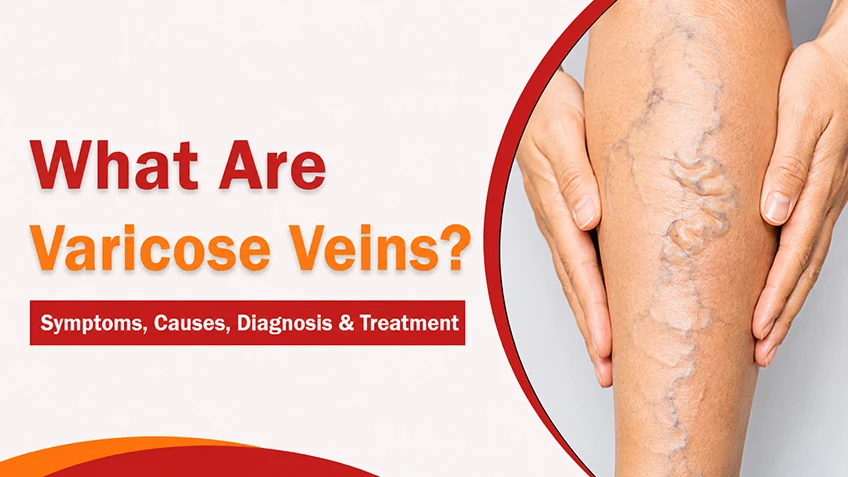
Varicose veins are swollen and twisted veins that appear on the legs and feet and result from damage to and the weakening of veins. Eventually, blood can't properly circulate back to the heart and collects in the veins. These veins also become swollen because of the blood accumulating in them.
Varicose veins become visible through the skin and are colored blue, purple, or black. These veins can become raised as well.
Spider veins are different because they are thin and small. Treatment for these veins is mostly cosmetic. Treatment for varicose veins is not required, but treatment for spider veins is not required either.
What Causes Varicose Veins?
Normal veins have one-way valves to prevent the backflow of blood towards the heart. Weakness and incompetence of the valves cause the backflow of blood into the veins resulting in the swelling and enlargement of veins.
Some of the reasons for developing varicose veins include:
- Older age
- History of varicose veins among family members
- Pregnancy
- Obesity
- Long duration of standing or sitting
- Inactivity
- Hormonal changes
- Past injury to the legs
People who work and stand for long durations, like teachers, nurses, shopkeepers, and factory workers, have a greater chance of developing this disease.
Symptoms of Varicose Veins
Symptoms do not appear in everyone who suffers from varicose veins. But as the problem persists, most patients develop some symptoms that impact their routine life.
These symptoms may include:
- Twisted blue or purple colored veins
- Throbbing pain in the legs
- Feeling heavy or fatigued
- Ankle and leg swelling
- Cramping of muscles
- Itchiness on the affected area of the veins
- Burning or throbbing feeling
- Skin discoloration at the ankles
- The aggravation of symptoms on standing or sitting for long periods of time
During the initial stages, symptoms might be less obvious but as the problem progresses, these can become more severe.
Varicose Veins Stages
The severity of varicose veins can vary from mild cosmetic changes to advanced venous disease.
Recognizing these varicose vein stages can help ensure timely treatment before complications develop.
How Are Varicose Veins Diagnosed?
The diagnosis process generally involves an initial discussion about your symptoms and your medical history followed by a physical exam while standing.
Your doctor will suggest a Duplex Doppler Ultrasound test as it is the most frequently performed imaging test for varicose veins. This test can determine the following:
- Flow of blood through your veins
- Functioning of the valves
- Any blockage or damage to the veins
- Formation of any blood clots
A proper diagnosis will help your vascular specialist prescribe the most suitable form of treatment.
Varicose Veins Treatment: What Are Your Options?
The choice of treatment for varicose veins is contingent on the degree of symptoms, the veins that have been affected and your state of health.
Non-surgical Treatment Options
For less serious instances, your physician may advise you to opt for conservative care, which involves the following:
- Compression stockings
- Daily walks and exercise
- Healthy body weight
- Leg elevation when lying down
- Abstaining from prolonged periods of standing or sitting
- Diet with high fiber content
Minimally Invasive Treatments
Current methods of varicose vein therapy have proven to be highly efficient and are usually carried out on an outpatient basis.
Endovenous Laser Treatment
The process involves placing a laser fiber into the vein to seal it from the inside. The blood will then flow to healthy veins.
Radiofrequency Ablation
Radiofrequency energy produces heat which closes the damaged vein. Recovery is fast and painless.
Sclerotherapy
This method involves injecting a special liquid into the veins to make them shrink and disappear.
Medical Glue Therapy
In certain situations, doctors use medical glue to close the vein without any heat or injections.
Surgical Treatment
Surgery can be advised in case of severe or complex cases of varicose veins when the least invasive methods cannot be used.
The procedure could involve:
- Phlebectomy (small varicose veins removal using small incisions)
- Vein stripping (done rarely now as compared to less invasive methods)
Your vascular surgeon will suggest the best treatment method based on your specific condition.
What Happens If Varicose Veins Are Left Untreated?
The neglect of varicose veins can make you susceptible to developing certain complications.
Some of the possible complications include:
- Leg swelling
- Pain
- Skin discoloration
- Venous eczema
- Bleeding in dilated veins
- Superficial thrombophlebitis (inflammation associated with the formation of a clot in the superficial vein)
- Venous leg ulcers
Getting timely treatment is important to avoid developing any of the above-mentioned complications.
Can Varicose Veins Be Prevented?
While not all cases can be prevented, a healthy lifestyle may reduce your chances and help prevent the development of diseases.
The measures include the following:
- Be physically active
- Do not sit or stand in one position for too long
- Keep a healthy body weight
- Elevate your legs as often as possible
- Wear compression stockings if recommended by your physician
- Consume a balanced and fibrous diet
- Drink plenty of water
- Do not wear tight clothes around the waist or legs
These activities contribute to vein health as well.
When Should You See a Doctor?
See a vascular expert when experiencing:
- Constant leg pain or heaviness
- Swelling that doesn’t go down
- Changes in skin color around the ankles
- Bleeding from a varicose vein
- Unhealed wounds or ulcers
- A sudden onset of redness, warmth or tenderness in the leg
- Symptoms that affect your daily activities
This will aid in preventing any complications and determining the best course of treatment.
Conclusion
In addition to being unsightly, varicose veins may lead to numerous physical ailments, including discomfort, swelling, discoloration, as well as potential problems that develop when varicose veins are left untreated.
It is important to be able to recognize the signs of the disease early on and learn about the various stages of varicose veins to receive proper treatment. With new methods of varicose veins treatment available today, including laser ablation and radiofrequency ablation, among others, patients are able to get a quick recovery from their symptoms.
If you have issues with leg pain, swelling, or visible enlarged veins, visit our vascular specialists at SCI International Hospital a Multispecialist Hospital in Delhi.
Frequently Asked Questions
1. What happens to varicose veins without treatment?
It is unlikely that varicose veins that are already present will go away by themselves. There are lifestyle changes that can relieve the symptoms, as well as slow the progression, but that damage is irreversible without medical treatment.
2. What problems can varicose veins cause?
They are not likely to be the cause of a life-threatening condition, but if left untreated they can cause ulcerations of the skin, continuous swelling, bleeding, and even clots.
3. Is exercise good for treating varicose veins?
This is true as exercise helps the circulation and pumping of the blood back to the heart, and also helps build the calf muscles. Simple exercise, such as walking, is always a good idea for people with varicose veins.
4. What is the usual recovery time for varicose vein procedures?
That is dependent on the method used for the procedure. In the case of a couple of the less invasive types of procedures, people can return to their regular daily activities within a couple of days, and complete recovery will take a couple of weeks.
5. Will new varicose veins form after treatment?
The same veins that were treated will not form again, but it is possible for new varicose veins to form, particularly if the risk factors that were present still are. If a person maintains a habit of following the advice of their doctor and living healthily, that will minimize the chances of new varicose veins forming.