
A person with a urethral stricture shows symptoms through a weak urine stream, urination challenges, burning pain, and frequent urinary tract infections. The condition occurs when the urinary passageway narrows, which obstructs normal urine movement. The condition will advance to bladder complications and urinary infections if it remains without treatment.
Urethral Stricture Treatment at SCI International Hospital provides a secure treatment option through advanced medical procedures. Our medical team uses contemporary minimally invasive methods to achieve normal urine flow restoration, which enables patients to recover quickly while achieving sustained relief from their symptoms.
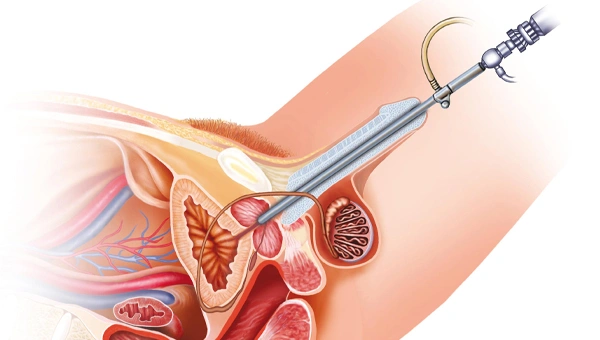

The hospital can treat Urethral Strictures with its specialist urology clinics, which help patients in Delhi. The team utilizes advanced imaging techniques and endoscopic examination methods to assess the symptoms of patients before making an assessment. The medical team utilizes techniques for early treatment to reduce the chance of recurring urinary retention as well as infections.
The hospital operates modern modular operating theatres together with advanced endoscopic systems, which allow doctors to deliver accurate medical procedures. Our urology department provides complete medical services through its partnerships with the nephrology and internal medicine departments at the multispecialty center. The doctors at our hospital develop customized treatment plans based on three main factors, which include stricture length and severity, and patient health status.
You should consult a urethral stricture treatment specialist if you notice certain urinary symptoms. Early diagnosis can help prevent complications and improve treatment outcomes.
A urethral stricture occurs when scar tissue creates a constricted passage through the urethra. The narrowing process starts from various causes, which include injuries and infections, and medical procedures, while some cases develop without any identifiable cause. The Urethral stricture treatment specialist in Delhi selects the appropriate treatment method after determining the specific cause of the condition.

Urethral stricture treatment selection in Delhi needs to consider three factors, which include the size, location, and severity of the urinary tract blockage. The urethral stricture treatment specialist at SCI International Hospital assesses each case to determine the best surgical method, which will restore normal urine flow while preventing future blockages.
The Urethral stricture treatment cost in Delhi generally ranges from Rs40,000 to Rs2,00,000 based on the kind of procedure performed and the severity of the problem. Prices vary depending on the length of hospital stay and the extent of the surgery. At SCI International Hospital, we offer clear pricing and thorough consultation before the procedure.
The Urethral stricture treatment specialists in Delhi at SCI International Hospital provide their expertise to diagnose and treat urinary narrowing problems through their advanced medical capabilities. The Urethral stricture treatment doctors in Delhi conduct thorough assessments of stricture conditions by measuring their length and investigating their underlying causes before they decide on treatment methods. The team concentrates on conducting procedures that require minimal invasiveness while maintaining patient comfort and delivering enduring results. Our organization uses advanced surgical methods together with our contemporary medical facilities to provide health services that ensure patient safety and deliver effective urinary flow solutions that result in enduring relief.



At SCI International Hospital, we focus on providing appropriate treatment options for urethral strictures based on the location, length, severity, and recurrence of the narrowing. Our urology specialists evaluate each patient's condition to recommend a suitable treatment approach.
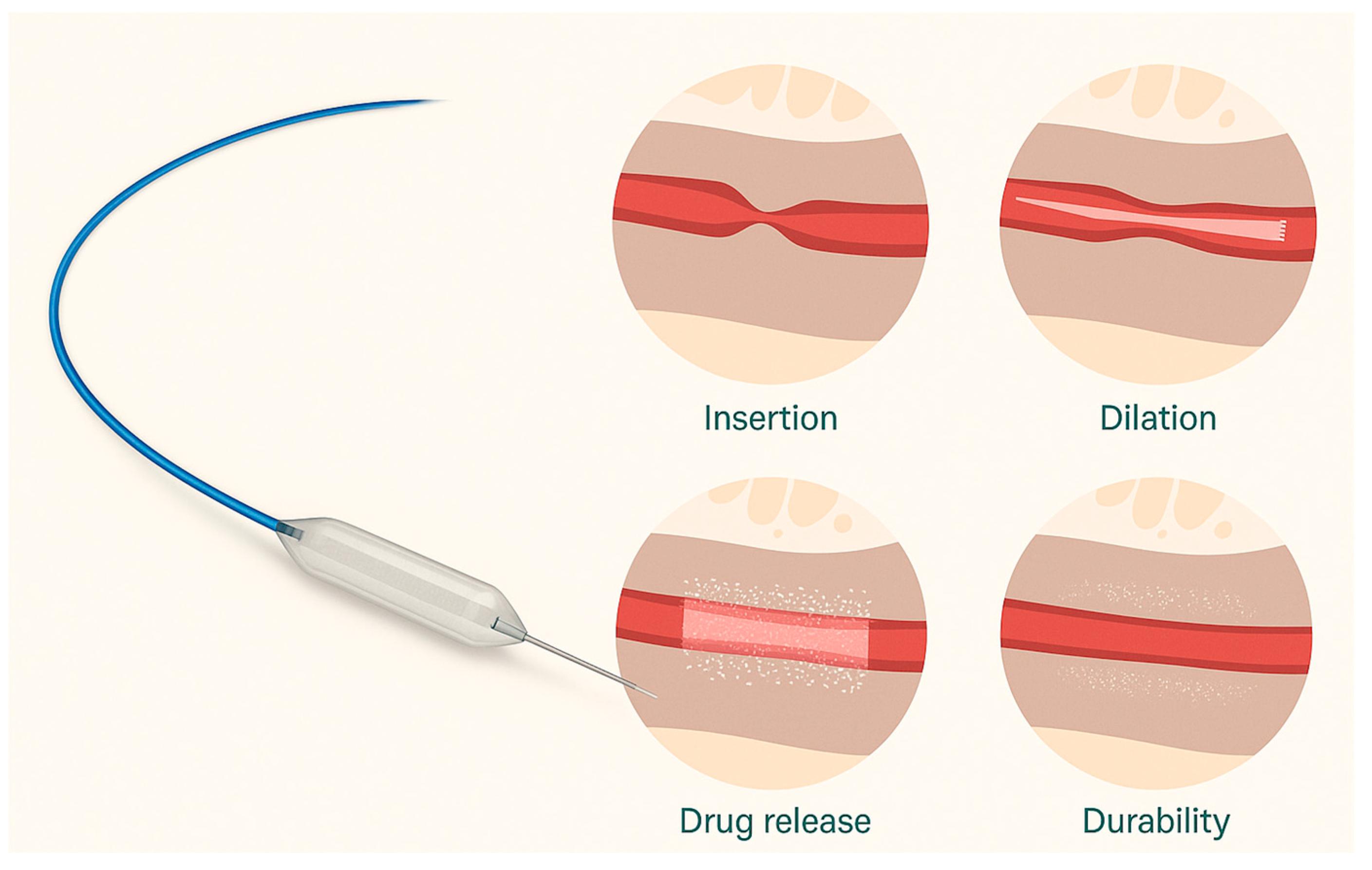
Drug-coated balloon technology is an advanced minimally invasive approach for selected patients with recurrent anterior urethral strictures. It combines balloon dilation with localized delivery of paclitaxel, which may help reduce the risk of stricture recurrence.
Endoscopic procedures such as Direct Vision Internal Urethrotomy (DVIU) may be recommended for suitable urethral strictures. These procedures use specialized instruments to access and treat the narrowed urethral segment.
Urethroplasty is a reconstructive surgical procedure that may be recommended for complex, longer, or recurrent urethral strictures. The surgical technique depends on the patient's individual condition.
The most appropriate treatment is determined following a detailed urological evaluation and discussion of the potential benefits and risks of each option.

The process of recovery for Urethral stricture treatment produces different results depending on the surgical procedure employed. Patients undergoing minimally invasive procedures require staying in the hospital for a brief period. Patients may experience some discomfort or burning, which can be relieved with medications. Patients must limit their physical activity for a period of several weeks. Patients must keep track of the flow of their urine to stop any repeat incidence. Most patients return to their normal routine in a short period of time following treatment.
SCI International Hospital is a reliable hospital for Urethral Stricture Treatment in Delhi, providing the best and most personalized care.
Urethral stricture treatments are generally performed under appropriate anaesthesia to minimise discomfort. Some patients may experience mild pain, burning, or discomfort during recovery, depending on the procedure performed.
Yes, urethral stricture can recur after treatment. The chances of recurrence depend on factors such as stricture length, location, severity, previous treatments, and the procedure performed. Regular follow-up with a urologist helps monitor recovery.
Hospital stay requirements depend on the type of treatment. Some minimally invasive procedures may be performed as day-care procedures, while urethroplasty or more complex treatments may require hospitalisation.
The duration depends on the type and complexity of the procedure. Endoscopic treatments generally take less time than reconstructive procedures such as urethroplasty. Your urologist can provide an estimated duration after evaluation.
Recovery time varies depending on the treatment performed and the patient's overall health. Patients undergoing minimally invasive procedures may resume routine activities sooner than those undergoing urethroplasty. Follow your surgeon's recovery instructions.
Drug-Coated Balloon treatment is a minimally invasive approach that uses a specially coated balloon to widen the narrowed urethral passage while delivering medication such as paclitaxel locally. It may help reduce the risk of stricture recurrence in selected patients with recurrent anterior urethral strictures.
Optilume is a drug-coated balloon technology designed to treat certain urethral strictures. It combines balloon dilation with localized delivery of paclitaxel to help reduce scar tissue regrowth. Its suitability depends on the patient's condition and clinical evaluation.
Drug-Coated Balloon treatment may be suitable for selected adult male patients with recurrent anterior urethral strictures. Eligibility depends on the location, length, severity, previous treatments, and individual medical history.
Urethral dilation widens the narrowed urethral passage using specialised instruments or a balloon. Urethroplasty is a reconstructive surgical procedure that repairs or rebuilds the narrowed section of the urethra. The appropriate option depends on the patient's condition.
Common symptoms include a weak urine stream, difficulty passing urine, frequent urination, straining during urination, incomplete bladder emptying, and urinary tract infections. Symptoms may vary depending on the severity of the narrowing.
Urethral stricture may be diagnosed through medical history, physical examination, uroflowmetry, ultrasound, retrograde urethrogram (RGU), and cystoscopy. The urologist recommends appropriate investigations based on the patient's symptoms.
Untreated urethral stricture may lead to worsening urinary obstruction, incomplete bladder emptying, recurrent urinary infections, bladder stones, and, in severe cases, damage to kidney function. Early medical evaluation can help prevent complications.
