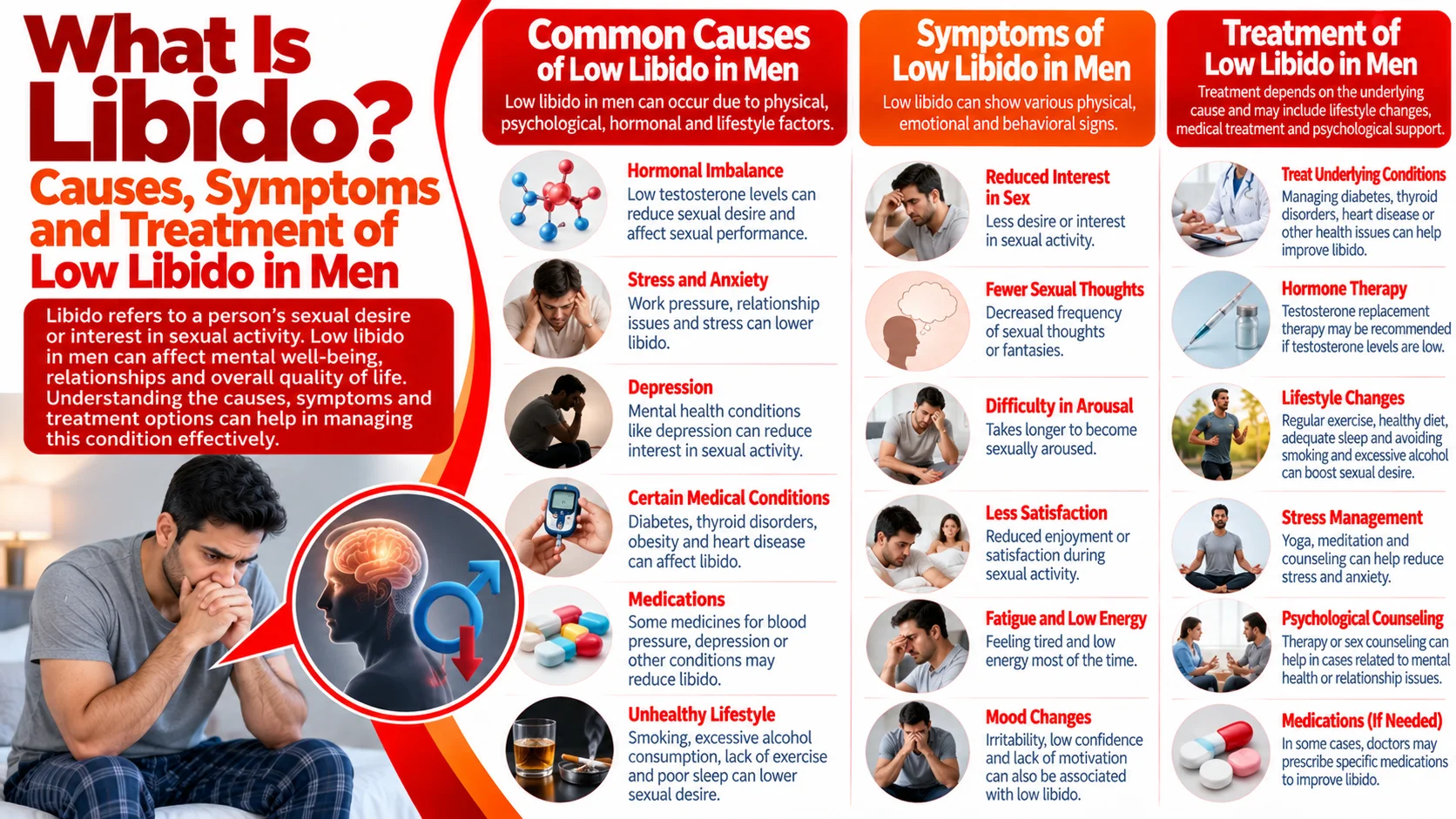
Libido refers to a person's sexual desire or sex drive. Men may experience changes in their libido at different stages of life. Temporary changes can occur due to stress, fatigue, poor sleep, or relationship difficulties. However, a persistent decrease in sexual desire may sometimes indicate an underlying medical condition, hormonal changes, or a medication side effect.
Low libido in men can affect confidence, relationships, and overall well-being. It may be associated with low testosterone, diabetes, thyroid disorders, depression, or certain medications. However, not every man with low libido has a hormonal problem.
Understanding the possible causes is the first step towards finding the right treatment. If reduced sexual desire continues or begins affecting your quality of life, consulting a urologist or andrologist can help identify the cause and determine the appropriate approach.
What Is Libido?
Libido is the medical term for sexual desire or sex drive. It describes a person's interest in sexual activity and can vary considerably between individuals.
There is no single level of libido that is considered normal for every man. Some men naturally have a higher sex drive, while others experience sexual desire less frequently. A change becomes a concern when it is persistent, causes distress, or differs noticeably from a person's usual pattern.
Male libido is influenced by several interconnected factors, including:
-
Hormones: Testosterone plays an important role in male sexual desire.
-
Physical health: Diabetes, thyroid disorders, obesity, and other medical conditions may affect sexual desire.
-
Mental health: Stress, anxiety, depression, and emotional difficulties can reduce interest in sex.
-
Sleep and energy levels: Poor sleep, fatigue, and certain sleep disorders may affect sexual well-being.
-
Medications: Some antidepressants, blood pressure medicines, opioids, and other drugs can affect sexual desire.
-
Relationships: Emotional distance, unresolved conflicts, or concerns about sexual performance may influence libido.
-
Lifestyle habits: Heavy alcohol consumption, recreational drug use, and physical inactivity may contribute to sexual health problems.
Libido can change with age, but a decrease in sexual desire should not automatically be attributed to ageing. Persistent symptoms may deserve medical evaluation.
What Are the Symptoms of Low Libido in Men?
Low libido primarily refers to a reduced interest in sexual activity. The symptoms can differ depending on the underlying cause.
Common signs may include:
-
Less interest in sexual activity than usual.
-
Reduced sexual thoughts or fantasies.
-
Less interest in initiating sexual intimacy.
-
A noticeable decrease in sexual desire over time.
-
Emotional distress or relationship difficulties related to the change in libido.
Some men also experience erectile difficulties, fatigue, low mood, or reduced energy. These symptoms may occur alongside low libido, but they are not the same condition.
Low libido is different from erectile dysfunction (ED). Libido refers to sexual desire, whereas erectile dysfunction involves difficulty achieving or maintaining an erection. A man can have normal sexual desire but experience erection problems, or have low sexual desire despite being able to achieve an erection. Understanding this distinction helps doctors identify which evaluations and treatments may be appropriate.
What Causes Low Libido in Men?
Low libido can result from physical, hormonal, psychological, or lifestyle-related factors. In some cases, several factors contribute at the same time.
1. Low Testosterone Levels
Testosterone is an important hormone involved in male sexual development, sexual desire, muscle mass, and other bodily functions. When testosterone levels are genuinely low, some men may experience reduced libido, fatigue, low mood, or other symptoms. However, low libido alone does not confirm testosterone deficiency.
Doctors usually consider symptoms alongside appropriately performed blood tests before diagnosing low testosterone. If a deficiency is confirmed, the next step is to identify its cause and discuss suitable treatment options.
Testosterone treatment is not appropriate for every man with low libido and can reduce sperm production, which is particularly important for men planning to have children.
2. Stress, Anxiety, and Depression
Mental health can have a significant influence on sexual desire. Work pressure, financial concerns, family responsibilities, anxiety, and emotional exhaustion can make it difficult to feel interested in sexual activity. Depression may also reduce motivation, pleasure, and interest in activities that were previously enjoyable, including sex.
Performance anxiety can contribute to the problem as well. A man who worries about erection difficulties or disappointing his partner may begin avoiding sexual intimacy. Depending on the underlying cause, stress management, psychological counselling, or appropriate mental health treatment may help.
3. Diabetes and Other Medical Conditions
Certain medical conditions can affect hormones, energy levels, circulation, nerve function, or overall well-being, potentially contributing to reduced sexual desire.
These conditions may include:
-
Diabetes.
-
Thyroid disorders.
-
Obesity and metabolic problems.
-
Chronic kidney or liver disease.
-
Certain neurological conditions.
-
Sleep disorders, including obstructive sleep apnoea.
-
Other chronic illnesses that cause fatigue or affect hormone function.
Diabetes and cardiovascular conditions can also contribute to erectile dysfunction. However, erection problems and low libido are distinct, even when they occur together.
If low sexual desire develops alongside other symptoms or a known medical condition, a doctor can assess whether the condition or its treatment may be contributing.
4. Medication Side Effects
Some medicines can affect sexual desire, hormones, or sexual function.
Examples include:
-
Certain antidepressants, including selective serotonin reuptake inhibitors (SSRIs).
-
Some blood pressure medicines.
-
Opioid pain medicines.
-
Certain antipsychotic medicines.
-
Hormonal medicines and other drugs that affect testosterone or reproductive function.
The effect varies depending on the medicine, dose, individual response, and other health factors.
If you notice a change in libido after starting a medication, discuss it with your doctor. Do not stop a prescribed medicine or change its dose without medical advice. Your doctor may be able to review the treatment or consider alternatives.
5. Poor Sleep and Persistent Fatigue
Insufficient sleep, irregular sleep schedules, and persistent fatigue can reduce energy and interest in sexual activity. Sleep disorders may also affect overall health and, in some cases, hormone regulation. Men with loud snoring, interrupted breathing during sleep, or excessive daytime sleepiness should discuss these symptoms with a healthcare professional.
Improving sleep habits may help when poor sleep is contributing to the problem. Persistent fatigue, however, may require investigation for an underlying condition.
6. Alcohol and Recreational Drug Use
Heavy alcohol consumption can affect mood, sleep, hormone function, and sexual performance. Some recreational drugs may also influence sexual desire or function. The effects vary between individuals and depend on the substance and pattern of use.
Reducing excessive alcohol consumption and avoiding recreational drugs may support sexual health. If substance use is difficult to control, professional support can help.
7. Relationship Difficulties and Emotional Concerns
Sexual desire is influenced by emotional well-being and relationship dynamics. Unresolved disagreements, reduced emotional connection, communication difficulties, and concerns about intimacy can contribute to low libido. Previous negative sexual experiences or fear of sexual performance problems may also affect desire.
When relationship factors appear to be contributing, open communication and couples counselling or sex therapy may help. These approaches can also be useful alongside medical treatment when physical and emotional factors occur together.
How Is Low Libido Diagnosed in Men?
There is no single test that identifies every cause of low libido. A urologist or another appropriate healthcare professional will assess your symptoms, medical history, medications, and general health.
The evaluation may include the following steps.
1. Medical History and Symptom Assessment
Your doctor may ask questions about:
-
When the decrease in sexual desire began.
-
Whether the change was sudden or gradual.
-
Whether you experience morning erections or erection difficulties.
-
Your sleep quality, energy levels, and mood.
-
Any medical conditions you have.
-
Medicines, supplements, alcohol, or recreational substances you use.
-
Relationship concerns or other sources of stress.
-
Whether you are planning to have children.
These questions help distinguish low libido from other sexual health concerns and guide further testing.
2. Physical Examination
Depending on your symptoms, the doctor may check blood pressure, weight, and other general health indicators. A physical examination may also be recommended when there are signs of a hormonal disorder or another medical condition.
The specific examination depends on your symptoms and the findings from your medical history.
3. Testosterone Blood Test
If low testosterone is suspected, your doctor may recommend a blood test to measure testosterone levels. Testosterone levels vary throughout the day and can be affected by illness, sleep, and other factors. For this reason, diagnosis generally requires symptoms consistent with testosterone deficiency and appropriately timed blood tests showing consistently low levels.
A single low result does not always establish the diagnosis. Your doctor may recommend repeat testing and additional investigations to identify the underlying cause.
4. Thyroid, Blood Sugar, and Other Tests
Depending on your symptoms and medical history, further tests may include:
-
Blood glucose or HbA1c: To assess diabetes or blood sugar control.
-
Thyroid function tests: If a thyroid disorder is suspected.
-
Prolactin: When symptoms or initial results suggest that elevated prolactin may be relevant.
-
Additional hormone tests: If the initial evaluation indicates a possible hormonal or reproductive disorder.
Not every man needs all these tests. Your doctor will select investigations based on the most likely causes.
How Is Low Libido in Men Treated?
Treatment depends on the underlying cause. The goal is to address contributing medical, hormonal, psychological, or lifestyle factors rather than simply increasing sexual desire without understanding why it has changed.
1. Treating an Underlying Medical Condition
If low libido is associated with diabetes, a thyroid disorder, or another health condition, managing that condition may help improve sexual well-being.
Your doctor may review your current treatment, assess relevant symptoms, and recommend appropriate follow-up. Improvement depends on the underlying cause and the individual's response to treatment.
2. Testosterone Treatment for Confirmed Deficiency
Testosterone therapy may be considered for men who have compatible symptoms and consistently low testosterone levels after an appropriate medical evaluation. However, it is not a general treatment for every case of low libido. It may be unsuitable for certain individuals and requires medical supervision.
Men planning to conceive should discuss fertility before starting testosterone therapy. Testosterone taken from outside the body can suppress sperm production and may significantly reduce fertility.
Your doctor can explain the potential benefits, risks, monitoring requirements, and alternatives based on your circumstances.
3. Reviewing Medications
If a prescribed medicine may be contributing to low libido, your doctor can review its benefits and side effects. Depending on the situation, a dose adjustment or alternative medicine may be considered. Any change should be made under medical supervision.
4. Psychological Counselling or Sex Therapy
Counselling may be helpful when stress, anxiety, depression, relationship difficulties, or performance concerns contribute to reduced sexual desire. Treatment may involve individual counselling, couples therapy, or sex therapy, depending on the circumstances. Psychological support can also complement medical care when physical and emotional factors are both involved.
5. Improving Sleep and Lifestyle Habits
Lifestyle changes may help support overall health and sexual well-being, particularly when fatigue, inactivity, heavy alcohol consumption, or poor sleep contributes to the problem.
Helpful measures may include:
-
Maintaining a consistent sleep schedule.
-
Engaging in regular physical activity.
-
Eating a balanced, nutritious diet.
-
Limiting excessive alcohol consumption.
-
Avoiding recreational drugs.
-
Managing stress through appropriate relaxation techniques.
-
Seeking medical advice for persistent fatigue or sleep problems.
These changes may improve well-being, but they do not replace treatment for an underlying medical condition.
Can Low Libido in Men Be Prevented?
Not every case of low libido can be prevented. However, several habits may help maintain sexual and general health.
Maintain a Balanced Diet
A nutritious diet supports metabolic health and provides essential nutrients. Avoid relying on unverified supplements marketed as testosterone boosters or sexual performance enhancers. If a nutritional deficiency is suspected, your doctor can recommend appropriate testing and treatment.
Exercise Regularly
Regular physical activity supports cardiovascular health, mood, sleep, and weight management. These benefits may indirectly support sexual well-being.
Choose an activity level that suits your health and fitness, and seek medical advice before beginning strenuous exercise if you have relevant medical concerns.
Prioritise Sleep
Aim for consistent, adequate sleep. If you experience persistent daytime fatigue, loud snoring, or interrupted breathing during sleep, discuss these symptoms with a healthcare professional.
Manage Stress and Mental Health
Work-related pressure, anxiety, and depression can affect sexual desire. Relaxation techniques, counselling, or appropriate mental health care may help address these factors.
Manage Existing Health Conditions
Follow your treatment plan for diabetes, high blood pressure, thyroid disorders, or other medical conditions. Attend recommended check-ups and discuss any new sexual health symptoms with your doctor.
Avoid Self-Medicating
Do not start testosterone, hormone supplements, or sexual enhancement medicines without medical advice. The appropriate treatment depends on the cause of the symptoms, and some products can cause harmful side effects.
When Should You See a Doctor for Low Libido?
Consider consulting a doctor if:
-
Your sexual desire remains lower than usual for a prolonged period.
-
The change is causing distress or affecting your relationship.
-
You also experience persistent fatigue, mood changes, or other new symptoms.
-
You have concerns about low testosterone.
-
Low libido develops after starting a new medicine.
-
You experience erection difficulties or fertility concerns alongside reduced desire.
You do not need to wait until the problem becomes severe. A confidential medical assessment can help identify possible causes and determine whether treatment is appropriate.
Low Libido Treatment at SCI International Hospital
Persistent low libido can have several causes, including hormonal changes, underlying medical conditions, medication side effects, stress, and relationship concerns. Identifying the contributing factors is an important part of choosing an appropriate treatment plan.
At SCI International Hospital, Dr. Gautam Banga, Urologist and Andrologist, provides evaluation and care for men's urological and sexual health concerns. His assessment may help determine whether further hormonal testing, evaluation of an underlying medical condition, or another form of care is appropriate.
Learn more about Dr. Gautam Banga or explore the hospital's Urology and Andrology
If reduced sexual desire is affecting your quality of life, consider seeking medical advice rather than relying on self-diagnosis or unverified supplements.
Frequently Asked Questions About Libido
1. Is low libido normal in men?
Sexual desire can vary over time, and temporary decreases may occur because of stress, fatigue, poor sleep, or relationship concerns. Persistent low libido, particularly when it causes distress or occurs alongside other symptoms, may warrant medical evaluation.
2. Does low libido always mean low testosterone?
No. Low testosterone is one possible cause, but low libido can also be associated with stress, depression, sleep problems, certain medications, chronic illnesses, or relationship difficulties. Blood tests and a clinical assessment can help identify the cause.
3. Can low libido in men be treated naturally?
Lifestyle changes such as improving sleep, exercising regularly, managing stress, and limiting excessive alcohol consumption may help when these factors contribute to low libido. However, an underlying hormonal or medical condition may require specific treatment.
4. Does low libido mean erectile dysfunction?
No. Low libido refers to reduced sexual desire, while erectile dysfunction refers to difficulty achieving or maintaining an erection. The two conditions can occur together, but they are not the same.
5. Can low libido affect male fertility?
Low libido does not necessarily mean that sperm quality or sperm count is low. However, reduced sexual desire may make it more difficult to have intercourse frequently enough to conceive. If you are experiencing fertility difficulties, a doctor can recommend an appropriate evaluation.
6. Which doctor should I consult for low libido?
A urologist or andrologist can assess male sexual health concerns, including persistent low libido. Depending on the findings, you may also need evaluation by an endocrinologist or a mental health professional.
7. Does ageing always cause low libido?
No. Sexual desire can change with age, but a persistent decrease should not automatically be attributed to ageing. Medical conditions, medication effects, sleep problems, and psychological factors may also contribute.
8. Should I take testosterone supplements for low libido?
Do not start testosterone or hormone supplements without medical advice. Testosterone treatment is generally considered when symptoms and appropriate testing confirm a deficiency. It can also suppress sperm production, so men planning to have children should discuss fertility before treatment.