
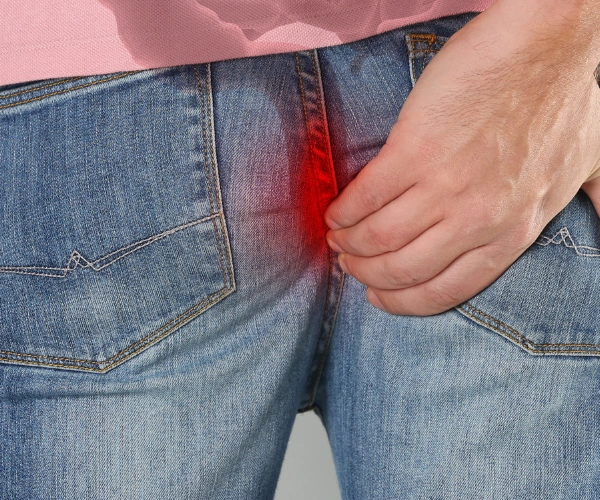
The discomfort of passing stool, bleeding, itching, and swelling in the area of the anus could be indications of piles. This can make everyday life stressful and uncomfortable in the event that it is not treated promptly. A lot of people do not recognize the early signs, which can worsen the condition.
At SCI International Hospital, we provide advanced piles treatment in Delhi. Our specialists use modern techniques to achieve accurate diagnosis and provide pain relief and deliver safe treatment through minimally invasive methods, which enable patients to recover quickly while achieving lasting relief.
SCI International Hospital is a trusted piles treatment Hospital in Delhi that provides advanced care for hemorrhoids through its modern technology and experienced medical staff. Our specialists perform detailed examinations of medical conditions before they select appropriate treatment methods, which depend on patient symptoms and condition severity.
We provide both non-surgical and minimally invasive surgical options to ensure safe and effective results. Our multispecialty hospital functions as a complete healthcare facility because our medical staff collaborates with anesthesia professionals and support personnel. Piles treatment doctors at our Delhi hospital dedicate their work to establishing patient spaces that support privacy and enhance recovery times. Our medical team aims to achieve three objectives, which include pain reduction and bleeding cessation, and helping patients achieve their regular life activities without experiencing discomfort.
Piles (hemorrhoids) treatment may be needed when symptoms persist, worsen, or start affecting your daily comfort. Early consultation can help prevent complications and provide relief.
Bleeding during or after passing stool.
Pain, burning, or discomfort in the anal area.
Persistent itching around the anus.
A lump or swelling near the anus.
Straining or discomfort during bowel movements.
Piles that come out during straining and may not go back easily.
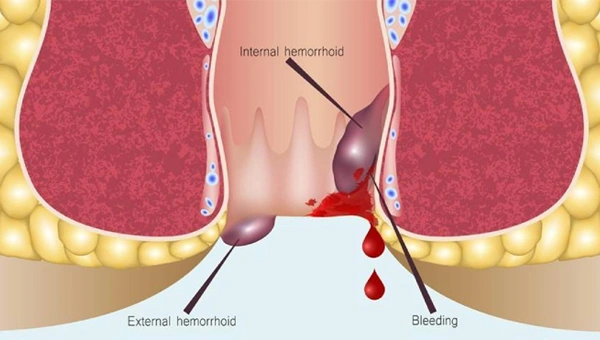
Piles result from swelling of the veins located in the lower part of the rectum or anus as a result of increased pressure on the veins. Some of the common risk factors that may cause piles include constipation, straining during defecation, long periods of sitting, pregnancy, or poor dietary habits, such as a lack of sufficient fiber intake.

External piles affect the tissues surrounding the anus. Symptoms associated with external piles include painful, itchy, and swollen hemorrhoids when sitting or during defecation.
Read More
The treatment of hemorrhoids in Delhi must be determined based on its severity. The piles treatment specialist at SCI International Hospital will evaluate your condition and recommend the best and safest treatment.
The piles treatment cost in Delhi hospitals starts at ₹25,000 and reaches up to ₹1,00,000, according to the selected treatment method, the patient's condition, and the required hospital time. The expense of laser treatment exceeds that of other methods because it provides patients with quicker healing times. SCI International Hospital delivers patients complete treatment information through their expert consultations and precise pricing explanations.
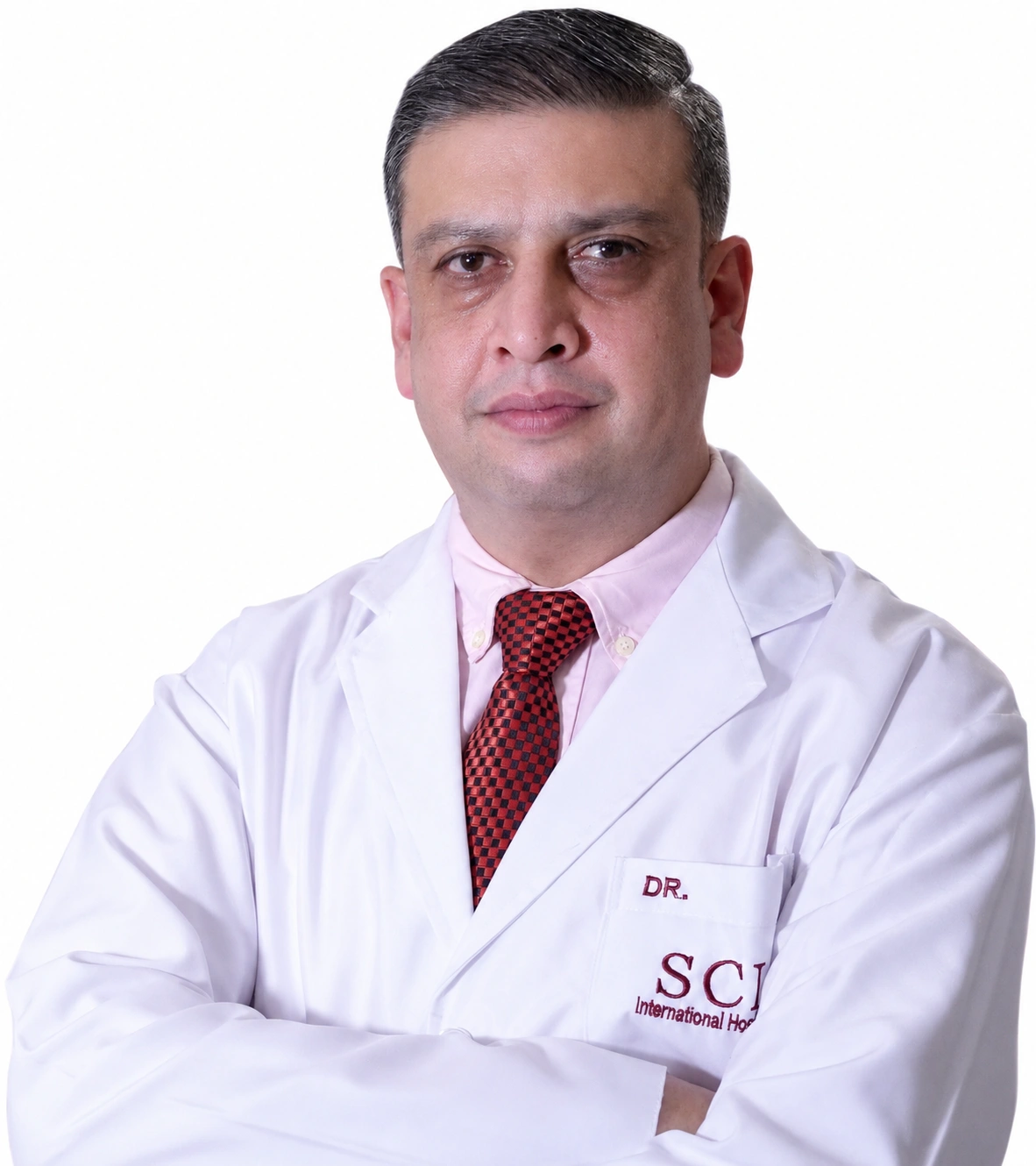
The SCI hospital employs specialized doctors who have expertise in treating piles to deliver their services throughout Delhi. The doctors who treat piles in Delhi conduct comprehensive assessments of patients to determine the optimal treatment method, which will provide both immediate relief and durable results.

Advanced technology is used at SCI International Hospital for treating piles in Delhi to make sure that there is no risk involved in treatment. The laser treatment is a very effective way of treating piles because it causes minimal pain, reduces bleeding, and helps a patient recover quickly. Diagnostic methods are quite advanced and provide a clear view of the disease to physicians.
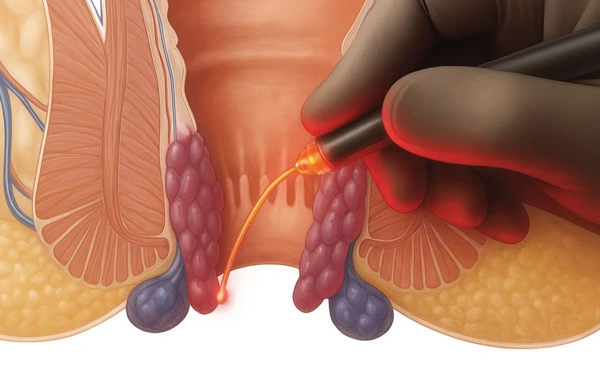

The recovery process from a pile operation varies depending on the type of operation done. Operations involving minimal invasion usually enable patients to be discharged on the same day. Some patients might experience mild pain, but the pain disappears after a few days. It is recommended that patients take lots of fiber and water and not strain during urination. Most patients recover within a week.
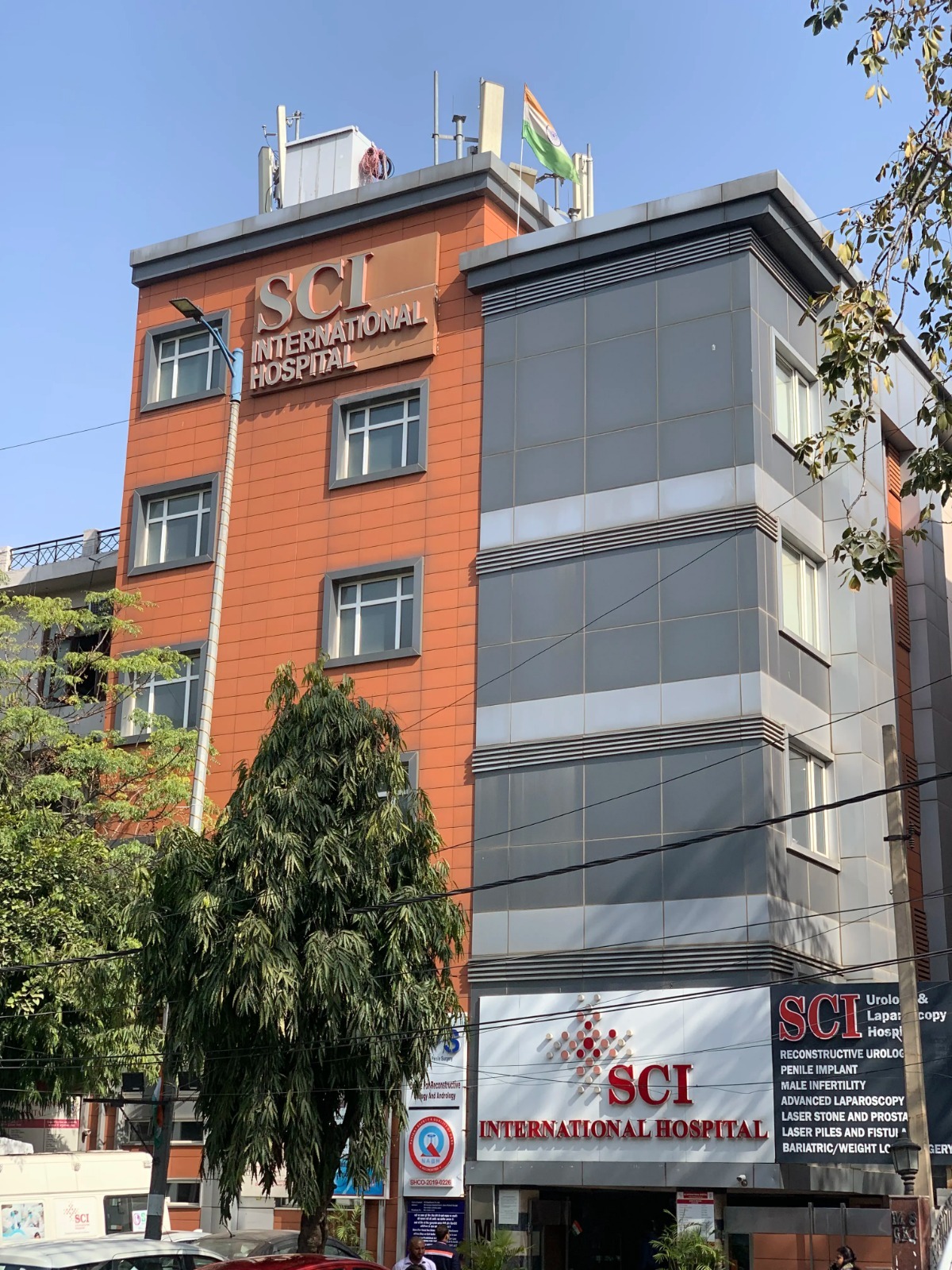
The SCI International Hospital is a reputed destination for piles treatment in Delhi, having highly advanced facilities using modern technology and expert doctors.
Treatment of piles is quite comfortable, even in the case of using the laser technique nowadays. Discomfort is possible after treatment, but it goes off within several days with a careful approach and use of medications.
Indeed, it is possible as early stages of disease can be cured by medications, changes in diet, and improved lifestyle. Only in serious cases and in the absence of response to treatment, surgery is required.
Most treatments require about 20-40 minutes according to the method. In any case, minimally invasive operations require minimal time, and the patient can go home on the same day.
Most patients resume regular activities in several days after piles treatment. The timing depends upon the method of treatment and the health condition of the patient.
The disease may recur due to a lack of correction of the patient's lifestyle. It is necessary to eat balanced food, drink enough liquid, and avoid constipation.
