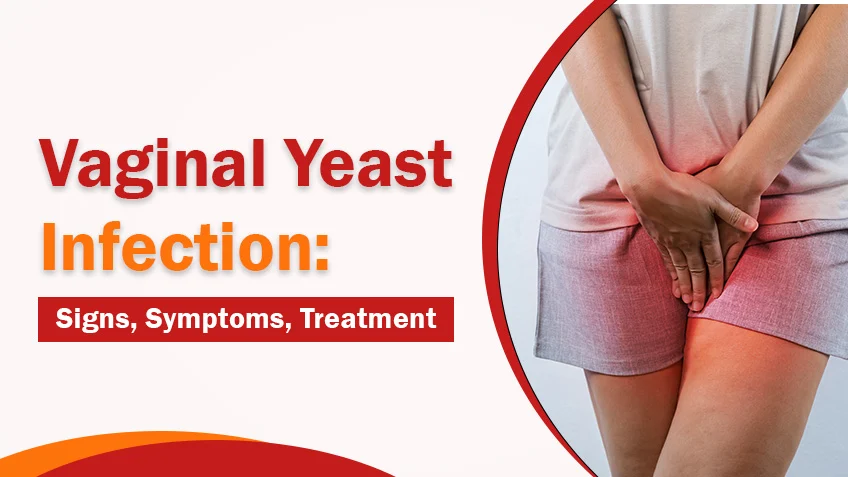
Experiencing discomfort with your vagina, including itching, irritation, or abnormal discharge, can be very concerning to deal with. One of the things that can cause these symptoms most frequently is a vaginal yeast infection. Although vaginal yeast infections are not serious, they can be very bothersome.
Most yeast infections are not a big deal and can be treated very easily, and even helped with some lifestyle changes. Other vaginal infections can have the same symptoms as a vaginal yeast infection; therefore, it is important to be diagnosed correctly.
In this blog, you can find the signs and symptoms of yeast infections, treatment and prevention, and learn more about the appropriate time to contact your gynecologist.
What Is a Vaginal Yeast Infection?
A vaginal candidiasis or vaginal yeast infection is a fungal infection from the proliferation of Candida, primarily Candida albicans. Yeast is present in the vagina as a fungus and as long as it maintains a small density, it is not a problem. Beneficial bacteria are present that limit and maintain yeast locally, especially Lactobacillus.
When that equilibrium is disturbed, yeast colonization can become rapid and result in infection, commonly described as combustive and itchy, and is furthered by abnormal vaginal discharge.
Infection can occur due to many reasons and actually commonly develops during or after sexual intercourse; it is not classified as a sexually transmitted infection. At some point in their lives, all women experience a yeast infection.
What Causes a Yeast Infection?
There are several reasons why one may be at an increased risk of having a yeast infection, including disturbing the balance of microorganisms in the vagina.
These include:
- The use of antibiotics, since it reduces the number of good bacteria that keep yeast levels in check.
- Pregnancy due to a hormonal imbalance.
- Poorly managed diabetes and high blood sugar.
- Weak immune system.
- Use of birth control methods with high levels of estrogen.
- Wearing clothes that fit too tightly around the vaginal area.
- Staying in damp clothing.
- Hormonal fluctuations during menstruation period.
It does not mean that having these risk factors will definitely cause a yeast infection; however, it increases the chances.
Signs and Symptoms of a Vaginal Yeast Infection
Vaginal yeast infection symptoms may be anything from mild irritation to intense irritation and discomfort.
Typical symptoms include:
- A burning sensation, especially when urinating
- Irritation or soreness
- Painful sex
- Creamy white discharge caused by a yeast infection
- Inflammation and redness in the vulva
- Severe itching in the vagina and vulva area
- No vaginal odor at all
The yeast infection discharge is often said to look like cottage cheese. It is unlike the discharge of BV which smells fishy.
When the symptoms are serious or frequent or when there is fever and pelvic pain, then a doctor must be consulted.
What Does Yeast Infection Discharge Look Like?
One of the most telltale signs of a yeast infection is the kind of vaginal discharge an individual has. The following describes typical yeast infection discharge:
- Thick and White
- Clumpy (similar to cottage cheese)
- Odorless (maybe lightly scented)
- Itching/Irritation accompanying the discharge
Normal vaginal discharge is usually clear and smooth in consistency. Normal vaginal discharge also does not cause discomfort.
When normal discharge changes in any way, it does help in distinguishing a yeast infection; however, changes in discharge (by themselves) do not confirm a yeast infection because there is some overlap in the symptoms of bacterial vaginosis and some STDs.
How Is a Vaginal Yeast Infection Diagnosed?
While many women know their symptoms, they may not be diagnosed accurately by themselves. Other types of vaginal infections might cause similar symptoms and need different treatment.
The gynocologist can diagnose a vaginal yeast infection through:
- Discussion of the symptoms and medical background
- Pelvic exam
- Vaginal discharge examination
- Vaginal swabbing if the diagnosis is difficult or when there is a recurrence of infections
It is recommended to seek professional help for the correct treatment to be administered.
Yeast Infection Treatment: What Are the Options?
The best yeast infection treatment would depend on the intensity of the infection, your medical history, and whether you suffer from recurrent infections.
The treatments would be in the form of:
- Antifungal Vaginal Creams
Prescribed or over-the-counter antifungal cream which is used in case of mild to moderate infection where the cream is inserted in the vagina for some days. - Vaginal Suppositories
The vaginal tablets or suppositories are also an alternative way of curing the infection by killing the yeast in the vagina. - Oral Antifungal Drugs
In some cases where the infection is simple, your physician would give you an antifungal drug to take orally. - Treatment for Recurrent Infections
The women who have been diagnosed with four or more yeast infections in one year will require prolonged treatment and prevention.
Can Home Remedies Cure a Yeast Infection?
There’s not much research available to prove that many home remedies that are promoted on social media really work. A few remedies that appear to be popular include:
- Consuming yogurt that includes live cultures
- Using probiotics
- Making topical applications with coconut oil
Although it’s possible that probiotics could help with vaginal health for some women, they shouldn’t be used to treat infections and should not be used in place of medications that are clinically known to work.
Do not place home remedies or any type of herbal remedy in your vaginal canal before speaking with your doctor. These could make your irritation worse or could prevent you from getting the treatment that you need.
How Can You Prevent Vaginal Yeast Infections?
Preventing all varieties of yeast infections is unrealistic. However, some habits can lower the risk of developing a yeast infection.
Some habits for lowering the risk are:
- Wearing cotton underwear.
- Stay away from tight clothing.
- Change wet clothes as soon as possible.
- Keeping the genital area as dry as possible.
- Scented sprays, soaps, and douches should all be avoided.
- Good control of sugar levels and yeast infections can be achieved by keeping good control of diabetes.
- Good health and a well-balanced diet should be maintained.
The risk of yeast infections is lower when these habits are followed.
When Should You See a Doctor?
You need to see a gynecologist when:
- It is your first yeast infection
- Your symptoms are not getting better even after treatment
- Your symptoms recur often (more than four times a year)
- You experience painful swelling and redness
- You have a fever or pelvic pain
- You see blood in your discharge
- You are pregnant and experiencing symptoms
- You suffer from diabetes or a compromised immune system
Timely diagnosis is required to ensure that you do not have another health issue.
Conclusion
Yeast infections are common among women of all ages. They are easy to treat with medical help. Itching, burning, and thick white discharge are the early signs of yeast infections. It is best to seek relief from yeast infections through medical treatment to prevent unnecessary discomfort.
Itching and discharge symptoms resemble a multitude of various vaginal infections, making it especially difficult to self-diagnose.
Advanced and persistent symptoms should be addressed by medical professionals. The gynecologists at SCI International Hospital are trusted and evaluate the patient thoroughly and formulate customized treatment. Their treatment is designed to restore vaginal health and is aligned with the patient's health and wellness goals.