Rib pain during pregnancy can make everyday activities uncomfortable. Sitting for a long time, changing sleeping positions, bending or taking a deep breath may cause pain around the ribs or below the breasts. Some pregnant women experience mild pressure, while others notice sharp or persistent discomfort on one or both sides of the rib cage.
As pregnancy progresses, the growing uterus and baby can put pressure on the surrounding structures. Changes in posture, stretching of the muscles and digestive problems may also contribute to rib discomfort.
Although mild rib pain can occur during pregnancy, severe or persistent pain, particularly under the right ribs, should never be ignored. It can sometimes indicate a pregnancy complication that needs urgent medical assessment.
In this article, we explain the common causes of rib pain during pregnancy, when it usually starts, how to relieve it safely and which warning signs require medical attention.
What Causes Rib Pain During Pregnancy?
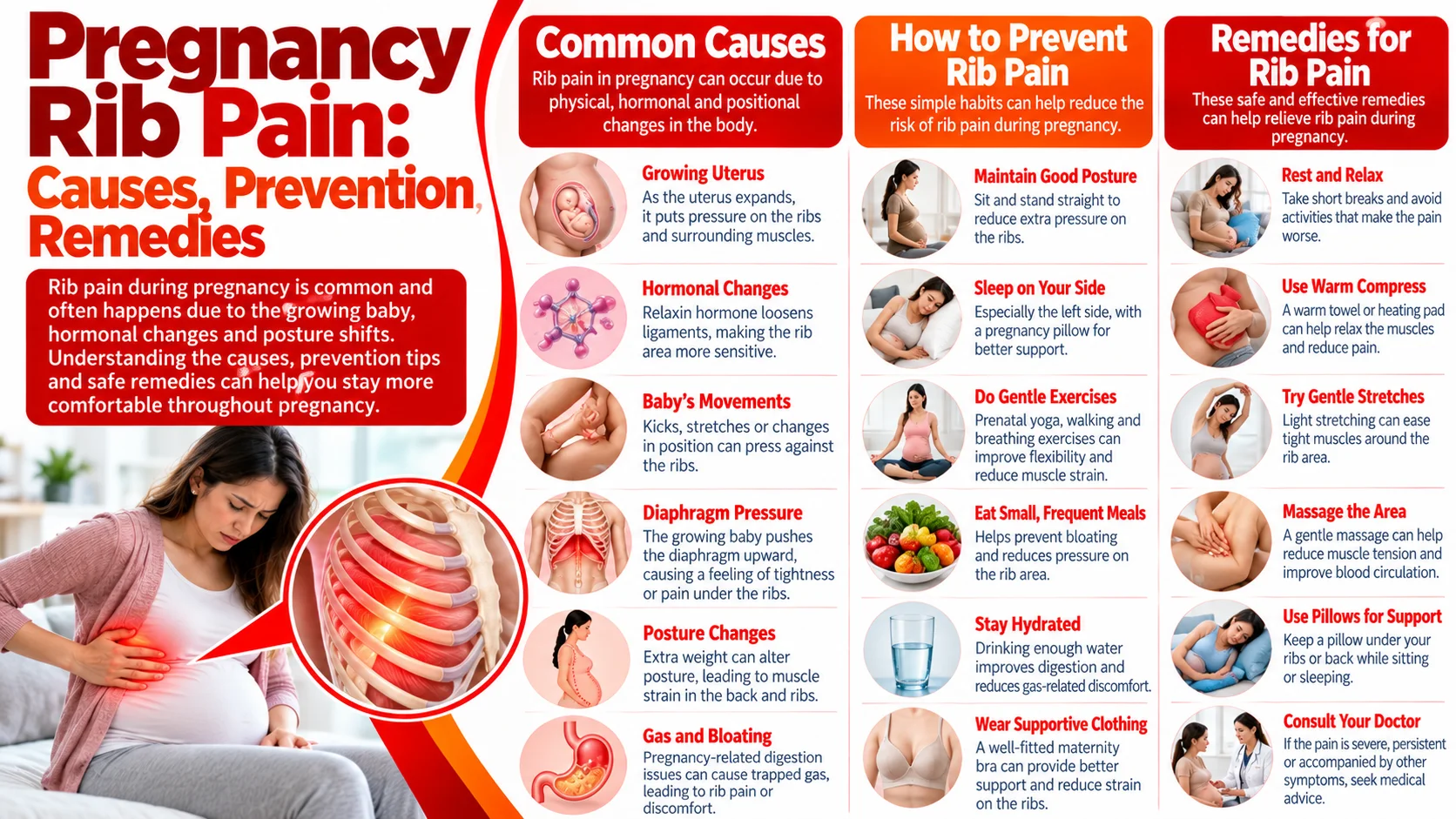
Rib pain can develop for different reasons depending on the stage of pregnancy and the mother's health. Common causes include the following.
1. Growing Baby and Expanding Uterus
As the baby grows, the uterus expands upwards and occupies more space in the abdomen. During the second and third trimesters, some women begin to feel pressure or discomfort beneath their breasts and along the lower rib cage.
The discomfort may become more noticeable when sitting for long periods, bending forward or remaining in one position for too long.
2. Baby's Movements and Position
A baby's kicks, stretches or position may sometimes cause pressure around the ribs, particularly later in pregnancy. This discomfort may come and go as the baby changes position. However, severe pain should not automatically be attributed to the baby's movements. Contact your maternity care provider if the pain is intense, persistent or accompanied by other unusual symptoms.
If you notice that your baby's movements have become reduced or changed significantly from their usual pattern, contact your maternity unit promptly.
3. Rib Cage Expansion and Muscle Strain
Pregnancy causes changes in the abdominal muscles, posture and the structures supporting the chest and abdomen. The rib cage may also change shape as the body adapts to the growing uterus.
These changes can contribute to muscle tightness, tenderness or discomfort around the ribs. Twisting suddenly, reaching overhead or maintaining an uncomfortable posture may make the pain worse.
4. Poor Posture
As the abdomen grows, your centre of gravity changes. You may unconsciously lean backwards, hunch your shoulders or sit differently to maintain balance.
These adjustments can strain the muscles around the upper back, chest and ribs. Discomfort may be more noticeable after working at a desk, standing for a long time or sitting without adequate back support.
5. Gas, Bloating and Acidity
Hormonal changes during pregnancy can slow digestion and contribute to bloating, gas and acid reflux. These symptoms may cause discomfort in the upper abdomen, sometimes close to the lower ribs.
Digestive discomfort may become worse after large meals or when lying down soon after eating.
However, not all upper abdominal pain is caused by acidity or gas. Severe or persistent pain beneath the right ribs, especially after 20 weeks of pregnancy, requires urgent assessment because it can be a sign of pre-eclampsia or another medical condition.
6. Pregnancy-Related Medical Conditions
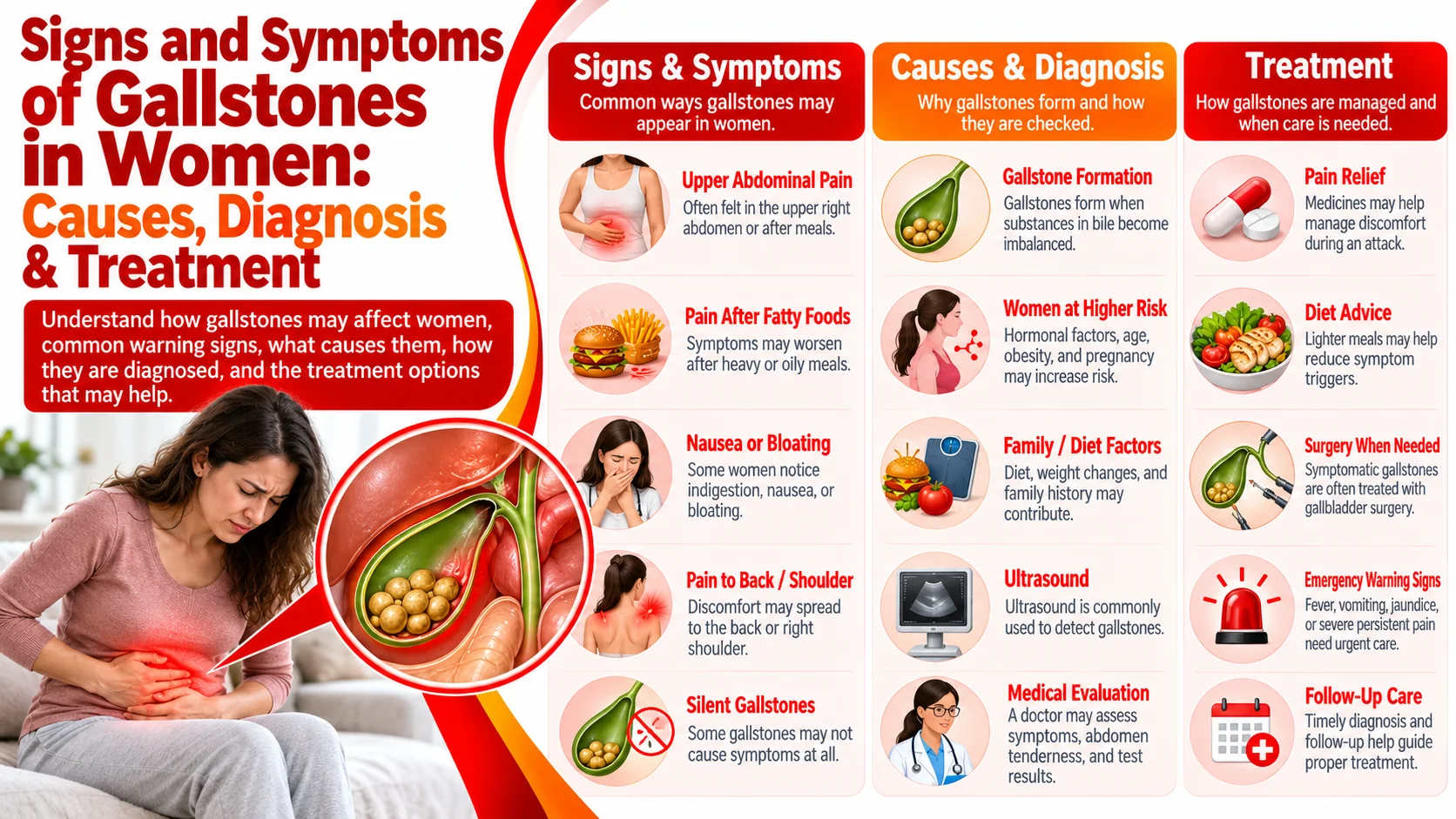
In some cases, rib pain may be associated with a condition that requires medical attention rather than routine home remedies. For example, pre-eclampsia can cause severe pain below the ribs, often on the right side, due to complications affecting the liver. Other conditions involving the gallbladder, lungs or digestive system may also cause pain in this area.
A healthcare professional can assess your symptoms and determine whether further tests or treatment are needed.
When Does Rib Pain Usually Start During Pregnancy?
Rib pain can occur at different stages of pregnancy. The timing depends on its cause, and it cannot reliably identify the cause on its own.
Rib pain is often more noticeable during the second and third trimesters as the pregnancy progresses. However, pain that starts suddenly, becomes severe or occurs with other symptoms should be assessed rather than assumed to be a normal pregnancy change.
How to Relieve Rib Pain During Pregnancy
If your doctor has assessed the pain and it appears to be related to posture, mild muscle strain or pressure from the growing uterus, a few simple measures may help you feel more comfortable.
1. Improve Your Sitting Position
Try to sit with your back supported and your shoulders relaxed. Avoid leaning forward over a desk or phone for long periods. If you work at a desk, change your position regularly and take short, gentle walks when comfortable. This may help reduce muscle stiffness and postural strain.
2. Use Pillows for Support
A pregnancy pillow or regular pillows may help support your abdomen, back and knees while resting or sleeping. Experiment with comfortable sleeping positions that do not increase the pressure around your ribs. If one position makes the pain worse, change positions.
From around 28 weeks of pregnancy, it is generally recommended to go to sleep on either side. If you wake up on your back, simply turn onto your side.
3. Apply a Comfortably Warm Compress
A warm, not hot, compress may help ease mild muscular discomfort around the ribs. Use a comfortable temperature, avoid prolonged or excessive heat and do not apply strong direct heat to your abdomen. Stop if the pain increases.
A warm compress should not be used as a substitute for medical assessment when the cause of the pain is unclear or warning signs are present.
4. Eat Smaller, More Frequent Meals
If your discomfort is associated with bloating or acid reflux, try eating smaller meals rather than large portions.
You may also find it helpful to:
-
Eat slowly and chew food thoroughly.
-
Identify foods that trigger your acidity.
-
Avoid lying down immediately after eating.
-
Ask your doctor about pregnancy-appropriate treatment if symptoms persist.
Do not assume that upper abdominal pain is simply acidity, especially if it is severe or persistent.
5. Wear Comfortable Clothing
Tight clothing or a bra that presses against the rib cage may worsen discomfort in some women. Choose comfortable maternity clothing and a well-fitting bra that provides support without excessive pressure.
6. Try Gentle Movement and Pregnancy-Safe Stretching
Gentle movement may help if the pain is related to muscle tightness or posture. Pregnancy-appropriate stretching may also improve flexibility and comfort.
Choose movements suitable for your stage of pregnancy and consult your doctor before starting a new exercise routine, particularly if your pregnancy is high-risk or you are experiencing unexplained pain. Stop any movement that causes pain, dizziness, breathlessness or other unusual symptoms.
Can Rib Pain During Pregnancy Be Prevented?
Not all rib pain can be prevented because some discomfort is associated with the body's natural changes during pregnancy. However, certain habits may help reduce muscle strain and postural discomfort.
You can try the following measures:
-
Maintain a comfortable sitting and standing posture.
-
Avoid remaining in the same position for extended periods.
-
Use pillows to support your back and abdomen while resting.
-
Wear comfortable clothing that does not compress your ribs.
-
Eat smaller meals if you experience acidity or bloating.
-
Stay physically active within the limits recommended by your doctor.
-
Avoid sudden twisting movements and heavy lifting when they cause discomfort.
-
Attend regular antenatal appointments and report new or persistent pain.
If rib pain keeps returning or becomes more intense, discuss it with your maternity care provider instead of assuming it is an unavoidable part of pregnancy.
When Is Rib Pain During Pregnancy a Warning Sign?
Although mild rib discomfort may occur during pregnancy, certain symptoms can indicate a serious condition.
Seek urgent medical assessment if you experience severe or persistent pain beneath the ribs, particularly on the right side after 20 weeks of pregnancy. This can be a warning sign of pre-eclampsia, a pregnancy complication associated with high blood pressure that can affect the mother's organs.
Contact your maternity care provider urgently if rib or upper abdominal pain occurs with any of the following:
-
A severe or persistent headache
-
Blurred vision, flashing lights or other vision changes
-
Sudden swelling of the face or hands
-
Chest pain or difficulty breathing
-
Severe or persistent upper abdominal pain
-
Fever or repeated vomiting
-
Vaginal bleeding or regular contractions
-
A noticeable reduction in the baby's usual movements
Chest pain or significant difficulty breathing requires emergency medical assessment. Do not wait for your next scheduled antenatal appointment if you have these symptoms.
For concerns related to high blood pressure, unusual abdominal pain or other pregnancy complications, timely high-risk pregnancy care can help ensure appropriate assessment and monitoring.
How Is Rib Pain Diagnosed During Pregnancy?
Your doctor will ask about the location and severity of the pain, when it started, how long it lasts and whether anything makes it better or worse. They may also ask about your stage of pregnancy, medical history, blood pressure and any other symptoms.
Depending on the findings, the assessment may include:
1. Blood Pressure Measurement
Blood pressure may be checked to look for signs of pregnancy-related hypertension or pre-eclampsia.
2. Physical Examination
The doctor may examine the painful area and assess your general condition. They will also consider whether the pain could be coming from the muscles, ribs, abdomen or another structure.
3. Blood and Urine Tests
If pre-eclampsia or another medical condition is suspected, blood and urine tests may be recommended. These can help assess factors such as liver function, kidney function and protein in the urine.
4. Additional Tests When Needed
Depending on your symptoms, the doctor may recommend further investigations to evaluate the liver, gallbladder, lungs or other possible causes. Not every pregnant woman with rib pain needs all these tests. The investigations depend on the clinical assessment and suspected cause.
How Is Rib Pain During Pregnancy Treated?
Treatment depends on what is causing the pain.
-
Posture-related or muscular discomfort: Rest, posture adjustments and pregnancy-appropriate comfort measures may help.
-
Acidity or digestive discomfort: Dietary changes and medicines considered suitable during pregnancy may be recommended by your doctor.
-
Pre-eclampsia or another serious condition: Prompt medical assessment and condition-specific treatment are necessary.
-
Other medical causes: Treatment will depend on the diagnosis and the stage of pregnancy.
Do not start painkillers, antacids, herbal remedies or other medicines without checking whether they are appropriate during pregnancy. If you are experiencing persistent or unexplained pain, arrange a medical assessment rather than relying only on home remedies.
Pregnancy Rib Pain: When Should You Contact Your Doctor?
Contact your obstetrician if rib pain is persistent, keeps returning, affects your daily activities or is not improving with simple comfort measures. Seek urgent care if the pain is severe, particularly under the right ribs, or occurs with headache, vision changes, sudden swelling, chest pain or difficulty breathing.
At SCI International Hospital, the obstetrics and gynaecology team provides pregnancy-related assessment and maternity care. You can also learn more about Dr. Ruchi Tandon, an obstetrician and gynaecologist at SCI Hospital, for information about the available maternity services.
Conclusion
Rib pain during pregnancy can be associated with the growing uterus, the baby's position, changes in posture, muscle strain or digestive discomfort. Supportive pillows, comfortable clothing, gentle movement and smaller meals may help when the cause is mild and has been assessed appropriately.
However, not every episode of rib pain is a normal pregnancy symptom. Severe or persistent pain, especially beneath the right ribs, can indicate a condition that requires urgent medical attention.
Understanding the possible causes and recognising warning signs can help you make informed decisions about your health. If you are unsure about the cause of your pain, contact your maternity care provider for guidance.
FAQs about Pregnancy Rib Pain
1. Is rib pain normal during pregnancy?
Mild rib discomfort can occur during pregnancy because of changes in posture, muscle stretching, pressure from the growing uterus or the baby's position. However, severe or persistent pain should be assessed by a healthcare professional.
2. Why does my right rib hurt during pregnancy?
Right-sided rib pain may be related to pressure, muscle strain or digestive problems. However, severe or persistent pain beneath the right ribs, particularly after 20 weeks of pregnancy, can be a warning sign of pre-eclampsia. Seek urgent medical advice.
3. How can I relieve rib pain during pregnancy at home?
For mild discomfort that has been assessed as non-serious, you can try changing your sitting position, using supportive pillows, wearing comfortable clothing and applying a comfortably warm compress. Avoid self-treating severe or unexplained pain.
4. Can the baby's kicks cause rib pain?
Yes. The baby's movements or position may sometimes cause pressure or discomfort around the ribs, particularly later in pregnancy. Severe or persistent pain should not automatically be attributed to the baby's movements.
5. When does rib pain usually start during pregnancy?
Rib pain is often more noticeable during the second and third trimesters, when the uterus grows and the body adapts to pregnancy. However, it can occur at different stages depending on the cause.
6. Can poor posture cause rib pain during pregnancy?
Yes. Changes in body balance and posture may strain the muscles around the ribs and upper back. Supporting your back, changing positions regularly and maintaining comfortable posture may help reduce this type of discomfort.
7. Can acidity cause pain under the ribs during pregnancy?
Acidity and bloating can cause upper abdominal discomfort that may be felt near the lower ribs. However, severe or persistent pain, especially on the right side, should not be assumed to be caused by acidity without medical assessment.
8. When should I worry about rib pain during pregnancy?
Seek urgent medical care if you experience severe or persistent pain, particularly beneath the right ribs, or if the pain occurs with a severe headache, vision changes, sudden swelling, chest pain or difficulty breathing. Reduced fetal movements also require prompt contact with your maternity care provider.