Low sperm counts may cause a lot of fear, especially for those who are trying to conceive. However, having a low reading on your semen test results does not necessarily imply that you will not be able to become a father. It only indicates that the number of sperm present in the semen is lower than the normal reference value, and as such, conception may prove to be harder. This is because the underlying cause may be curable.
What Does Low Sperm Count Mean?
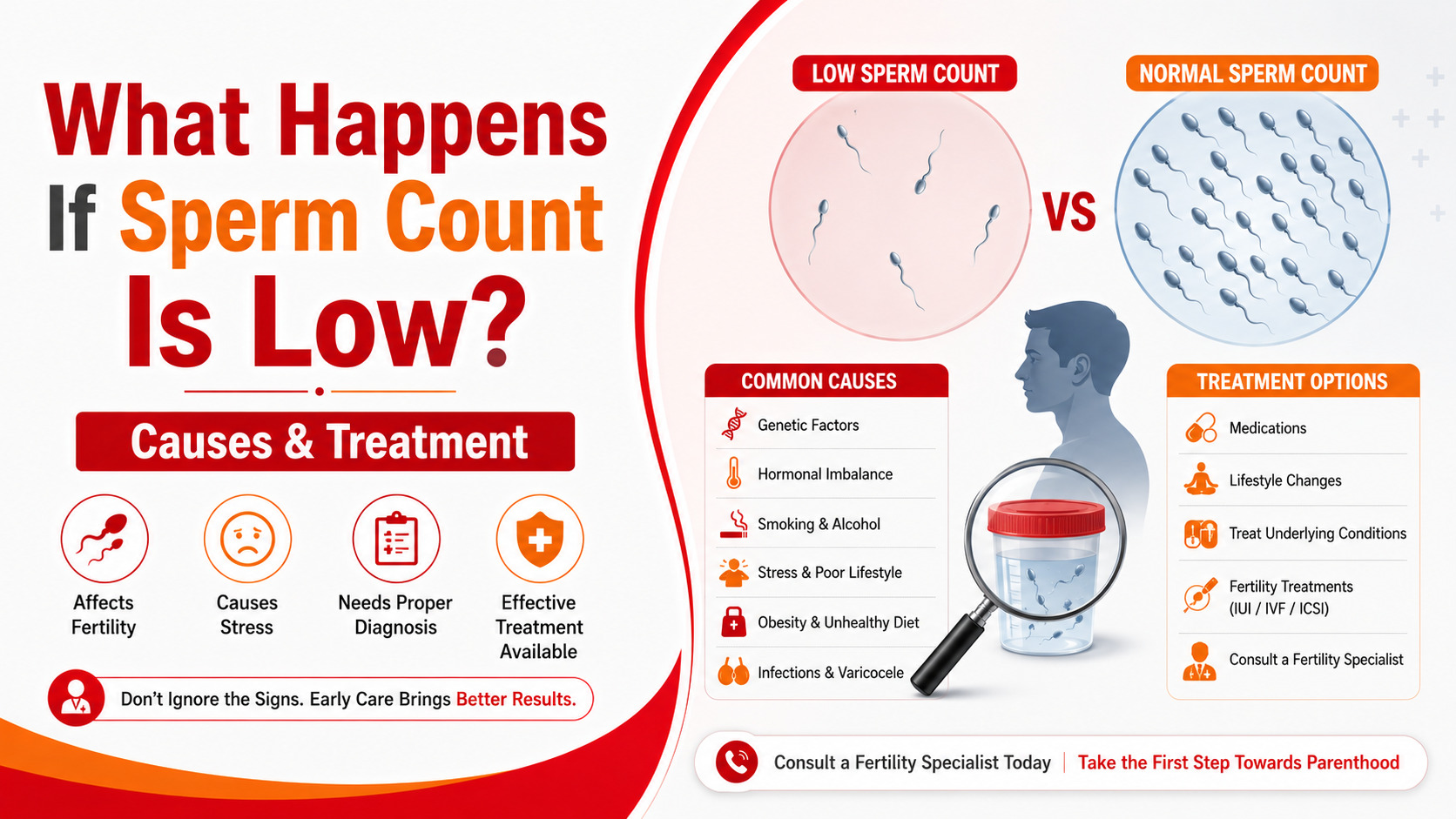
Low sperm count, also called oligospermia, is when there are fewer sperm in a certain amount of semen than would usually be expected. A lot of clinics use a reference idea of fewer than 15 million sperm per millilitre of semen. Still, sperm count is only one piece of male fertility. Sperm movement, sometimes described as motility, and the overall shape morphology, plus the reproductive health of both partners, all affect the odds of pregnancy. SCI IVF also talks about low sperm count in terms of sperm number, motility, and morphology in their low sperm count and treatment information.
That’s why having a low sperm count does not imply being infertile. Some men who have low sperm counts can get pregnant without any medical assistance, whereas others might require medical attention.
What Happens When Sperm Count Is Low?
The first problem is that it might affect natural conception. If there is a shortage of sperm, then the likelihood of fertilisation is decreased.
Most of the men with low sperm count have no physical symptoms. They usually have normal levels of libido and normal ejaculation, but they may still have a low sperm count. This condition is diagnosed in most of the cases in couples who have difficulty conceiving.
Some men have symptoms depending on the causes of the problem. These symptoms may include painful or swollen testicles, pain during urination, lumps in the scrotum, low sex drive, and sexual dysfunction. Such symptoms are not characteristic of all men with low sperm count.
What Causes Low Sperm Count?
Sperm production involves the testicles, hormones, and the reproductive tract. A problem in any of these areas can affect the number or quality of sperm.
Varicocele
A varicocele is an enlargement of the veins around the testicle. It is a common cause of male infertility and can affect sperm count and quality. In some men, treating the varicocele may improve sperm production. SCI Hospital has also covered varicocele and its effect on male fertility, including its diagnosis and treatment options.
Hormonal Problems
The brain and testicles work together through hormones to support sperm production. Problems involving the pituitary gland, testosterone or other reproductive hormones can reduce sperm production.
Infections
Some infections can affect sperm health or cause scarring in the reproductive tract. This scarring may sometimes block the passage of sperm.
Blockages and Ejaculation Problems
Sometimes, sperm is produced naturally but is unable to reach the semen due to a blockage in the tubes that contain the sperm. Retrograde ejaculation, in which sperm is able to enter the bladder instead of passing through the penis, can affect fertility as well.
Lifestyle and Environmental Factors
Smoking, excessive alcohol consumption, anabolic steroids, certain substances for recreational use and obesity, as well as long-term stress and excessive heat around the testicles, may affect the production of sperm or quality. Exposure to chemicals for long periods and heavy metals can cause.
Certain medications, surgeries, chemotherapy, radiation therapy, and other treatments can affect the production of sperm. For some men, there is no specific reason identified even after a thorough examination.
How Is Low Sperm Count Diagnosed?
The main test is a semen analysis. The sample is examined in a laboratory to check the number of sperm as well as their movement and shape.
One abnormal report does not always tell the whole story because semen results can vary. A doctor may therefore recommend another semen analysis to confirm the finding.
If the result remains abnormal, further tests may be needed to find the cause. These can include a physical examination, hormone tests, scrotal ultrasound, urine testing, or genetic tests in selected cases. SCI Hospital's male infertility treatment and evaluation include assessment for low sperm count, varicocele, poor sperm quality, and hormonal problems.
Can Low Sperm Count Be Treated?
Yes, however, treatment is contingent on the root cause.
If a blockage or varicocele is the cause, surgery can be able to assist. If a hormonal issue is producing sperm, the appropriate treatment for hormones could be suggested. Infections may require medicines.
Lifestyle changes can also be helpful when factors like smoking, alcohol consumption, obesity, anabolic steroid use, stress, or exposure can affect the health of sperm.
The men who are trying to increase their fertility should not begin testosterone injections by themselves. The treatment for testosterone can decrease the production of sperm in certain men. Treatment for hormonal imbalances should be considered only after a doctor has detected a hormone-related issue and has recommended it.
Can IUI, IVF, or ICSI Help With Low Sperm Count?
Yes. If natural conception does not occur or the sperm count is significantly low, assisted reproductive techniques may be considered.
- IUI: Selected sperm are placed directly into the uterus around the time of ovulation.
- IVF: Eggs and sperm are combined in a laboratory to create embryos, which are then transferred to the uterus.
- ICSI: A single sperm is injected directly into an egg. It can be particularly useful when sperm numbers are very low or there are other significant sperm-related problems.
The appropriate treatment depends on the sperm count, sperm movement, the cause of male infertility, and the fertility factors of both partners. SCI IVF provides IUI treatment, IVF treatment, and ICSI treatment for couples who need assisted fertility treatment.
Can Sperm Count Improve Naturally?
Sometimes it can, particularly when lifestyle or environmental factors are contributing to the problem. Helpful changes may include:
- Stopping smoking
- Limiting alcohol
- Avoiding anabolic steroids and recreational drugs
- Maintaining a healthy weight
- Exercising regularly
- Managing long-term stress
- Getting adequate sleep
- Avoiding excessive heat around the testicles
- Reducing exposure to certain workplace chemicals and toxins
These changes cannot correct every cause. A varicocele, hormonal disorder or blockage may need specific medical treatment.
It is also important to have realistic expectations. Sperm production takes time, so changes in lifestyle or treatment may take several weeks to a few months before their effect can be seen in a semen analysis.
When Should You See a Male Fertility Specialist?
When you have tried to conceive but have not had results, a fertility assessment will determine whether your sperm count or some other cause is behind the issue. Also, you should consult a doctor earlier if you have any history of issues with your testicle, such as varicocele, sexual or ejaculation issues, and treatments for cancer or an underlying hormonal issue.
Dr. Vishal Dutt Gour, Consultant Urologist and Andrologist, is a male fertility specialist at SCI International Hospital with expertise in male infertility and related fertility concerns.
Conclusion
Low sperm counts could lower the likelihood of a natural pregnancy; however, it doesn't mean fatherhood isn't possible. It is important to discover the reason why the sperm count is low. A semen test is generally the initial step, and then additional tests are necessary. Treatment can include changes to lifestyle and medications, as well as surgery or assisted reproductive techniques like IUI, IVF, or ICSI, depending on the reason. The SCI International Hospital, a multispecialist hospital where men are able to receive the appropriate assessment and treatment in accordance with their fertility needs and general health.
FAQs
Que- Do low sperm counts mean the same thing as infertility?
Ans- No. A low sperm count may make it more difficult to get pregnant; however, it doesn't necessarily mean that you are infertile. Certain men with a low sperm count may still have a natural pregnancy.
Que- Can a low sperm count be treated?
Ans- It's all about the nature of the cause. There are a variety of causes, including varicoceles, hormonal problems, and blockages or infections can be treated. In other situations, the treatment for fertility issues might be required.
Que- How can a low sperm count be established?
Ans- Semen analysis is the most common test to determine the sperm count. If the result is not normal, the doctor could suggest an additional test or investigation to determine the reason.
Que- Are lifestyle changes able to increase the sperm count?
Ans- They can help with certain things like drinking alcohol, smoking, and stress. The use of anabolic steroids or extreme temperatures is impacting sperm health. However, lifestyle changes might not be able to correct a medical issue like a varicocele or blockage.
Que- Does a man who has a low sperm count be able to have a child naturally?
Ans- Yes. Natural pregnancy is possible based on the number of sperm and sperm movement, as well as the reproductive capacity of your female companion, and other elements.
Que- Is ICSI beneficial for low sperm count?
Ans- ICSI is a viable option in the case of male-factor infertility as it allows a single sperm to be directly injected into an egg. It is dependent on the couple's fertility evaluation.