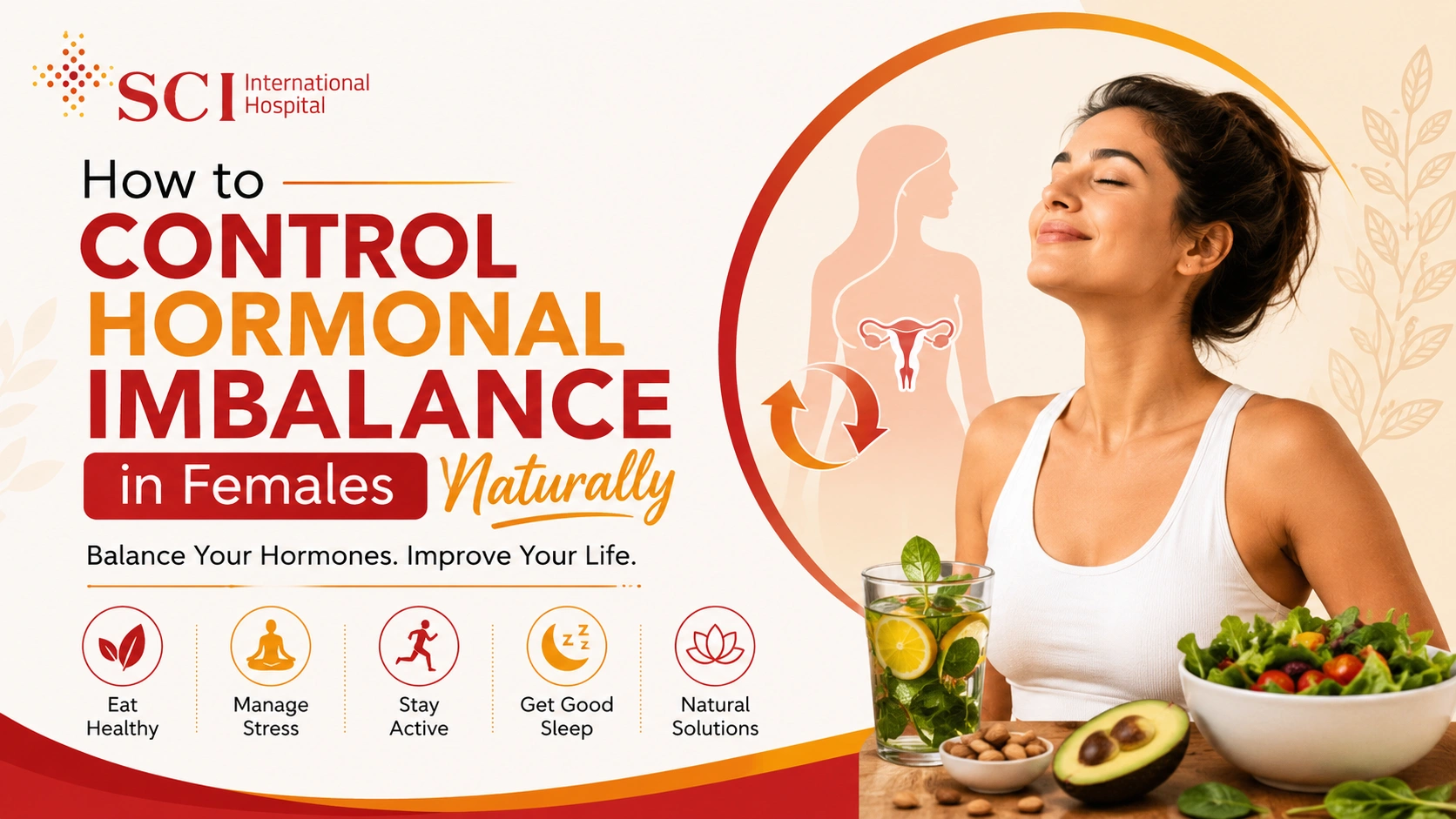
Many women experience symptoms like unexplained weight gain, fatigue, mood swings, irregular periods, or frequent acne. These problems are often ignored or blamed on stress and busy lifestyles, but they may actually be signs of hormonal imbalance.
Hormonal imbalance affects millions of women at different stages of life. Symptoms such as irregular periods, unexplained weight gain, acne, mood swings, fatigue, and sleep disturbances are often mistaken for stress or a hectic lifestyle. While stress can influence hormone levels, persistent symptoms may indicate an underlying hormonal disorder that requires proper evaluation and treatment. Understanding the root cause is the first step toward restoring hormonal balance and improving overall health. Hormonal control of bodily functions includes metabolism, sleep, mood, periods, and the ability to have children.
A little imbalance in some of the body's hormones can affect control over some of the body's systems. Some stress symptoms may be the body's response to an imbalance. Hormonal imbalance can often be effectively managed with appropriate lifestyle changes, medical treatment, and regular follow-up. Many women experience significant improvement in symptoms once the underlying cause is identified.
What Are Imbalances In Hormones?
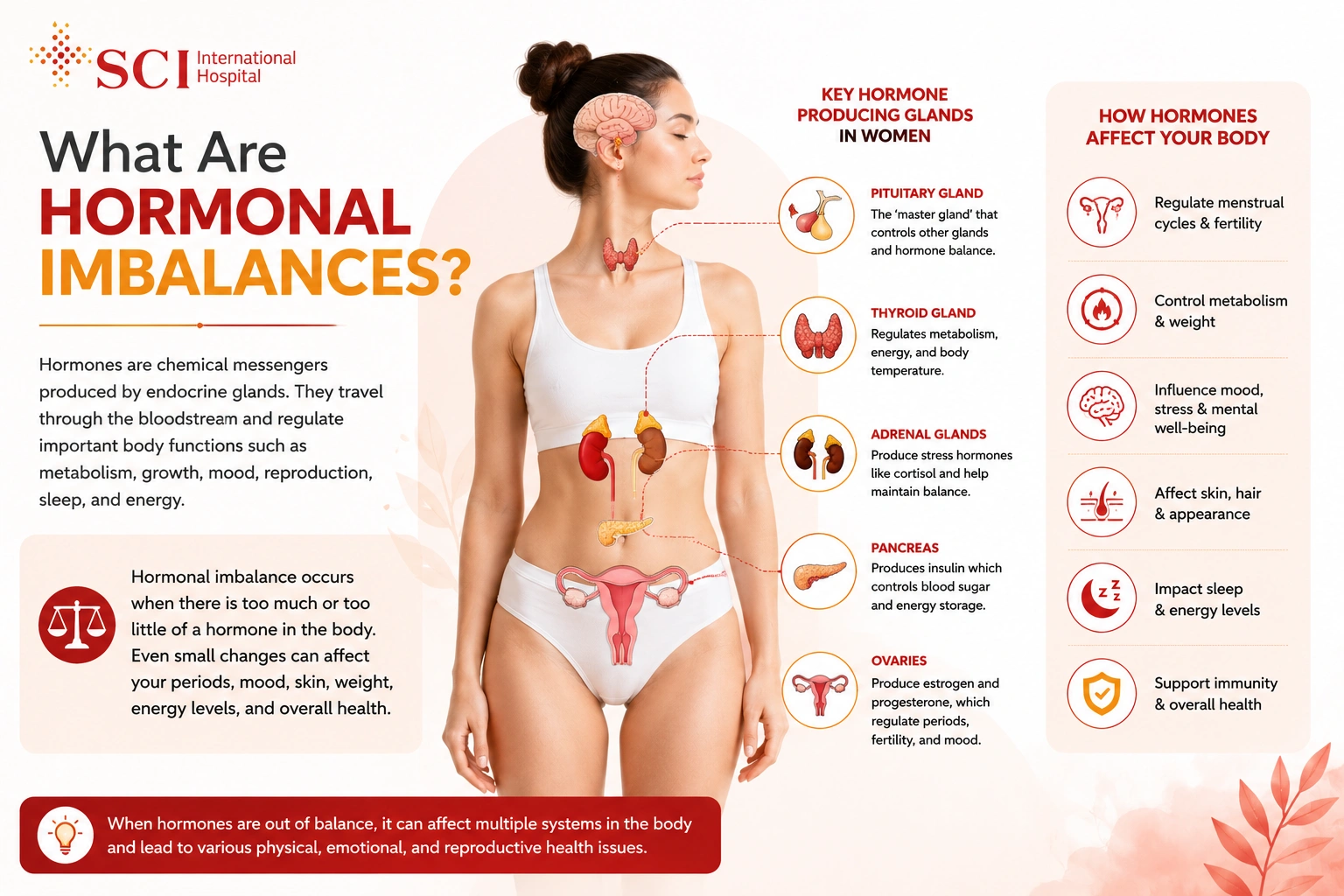
Hormones are chemical messengers produced by endocrine glands. They travel through the bloodstream and regulate important body functions including metabolism, menstrual cycles, fertility, mood, sleep, digestion, growth, and energy production. Even small changes in hormone levels can disrupt these processes and lead to noticeable physical and emotional symptoms.
Hormonal imbalance refers to having too much or too little of a hormone. Even small changes in the body can alter a person's period, mood, skin and can increase or decrease someone's weight. Unlike other body systems, hormones do not work in isolation. Hence, one hormonal imbalance can cause other hormonal imbalances.
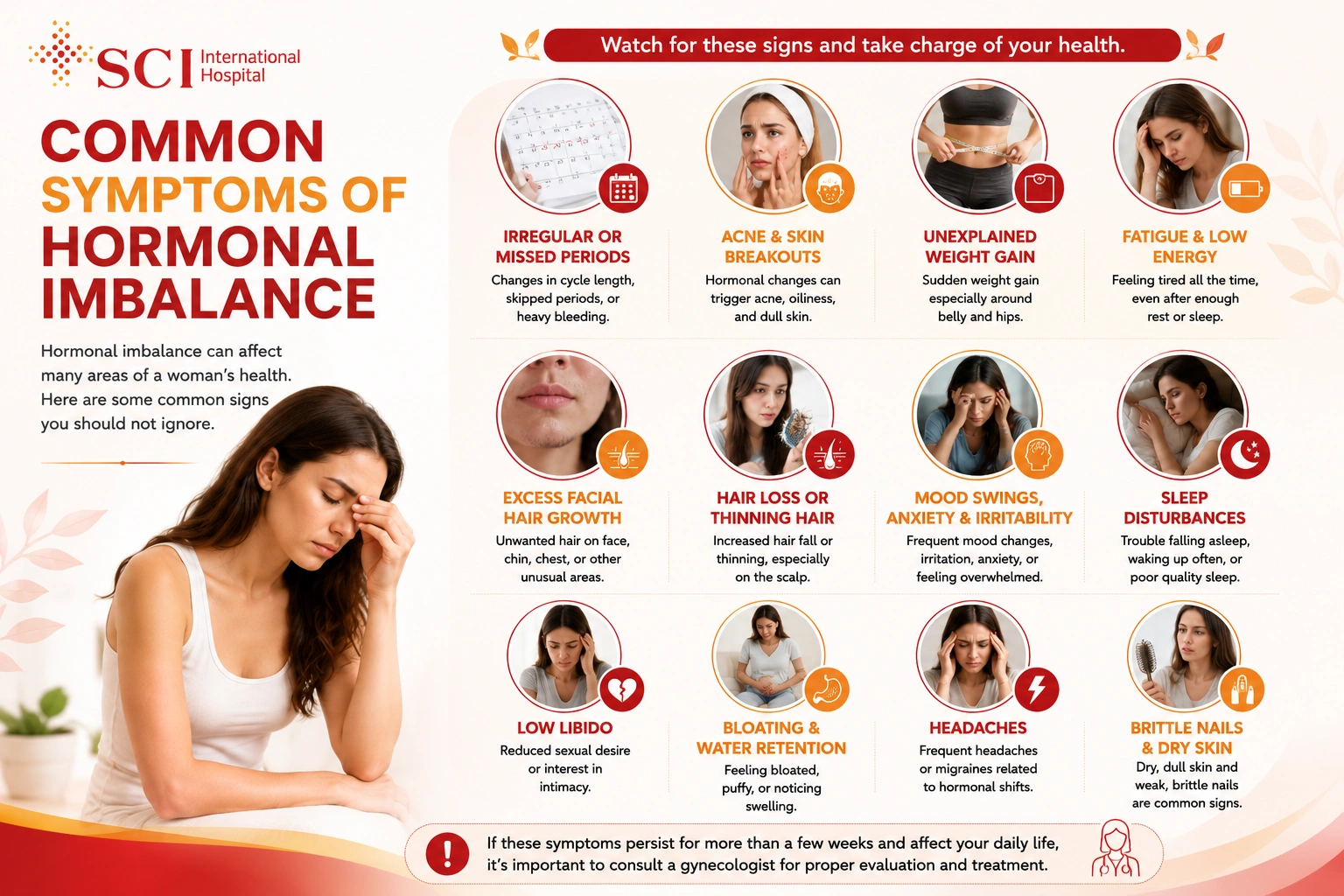
Common Symptoms of Hormonal Imbalance in Women
Signs of hormonal imbalance can depend on which specific hormone is the issue. Some common signs include:
- Irregular or missed periods
- Heavy menstrual bleeding
- Persistent acne
- Sudden weight gain
- Difficulty losing weight
- Hair thinning or excessive facial hair
- Mood swings
- Anxiety
- Depression
- Fatigue
- Sleep disturbances
- Low libido
- Hot flashes
- Bloating
If these issues persist for several months or cause problems in your everyday life, it is a good idea to see a doctor.
Causes of Hormonal Imbalance
Here are some common things that can affect hormonal balance in women:
- PCOS
- Thyroid disorders
- Pregnancy
- Breastfeeding
- Perimenopause
- Menopause
- Diabetes
- Obesity
- Eating disorders
- Chronic stress
- Certain medications
- Pituitary disorders
- Adrenal gland disorders
Finding the
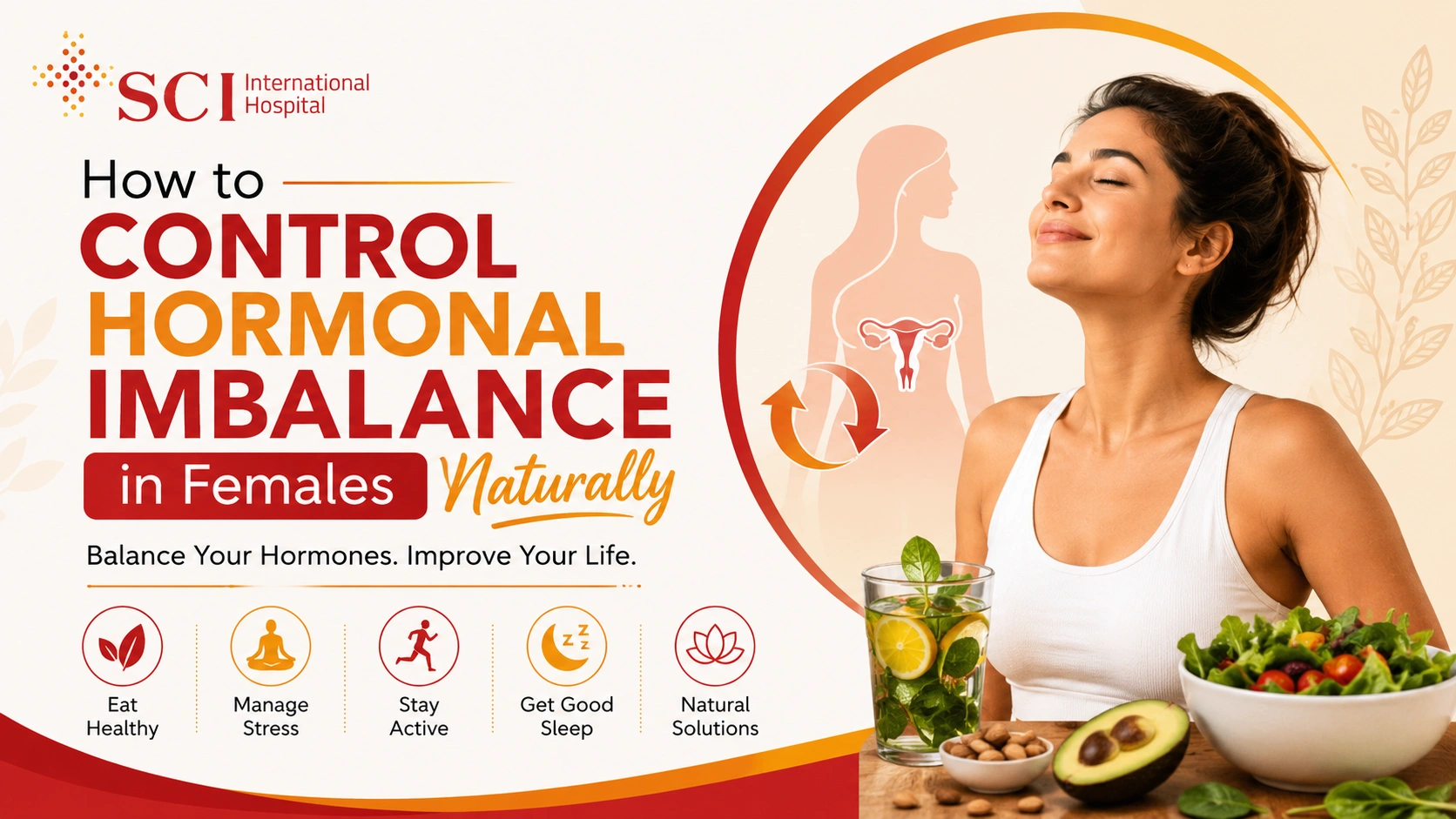
How to Manage Hormonal Imbalance: Step-by-Step Guide
If you want to control your hormonal imbalance, you will need a system and you will need to be consistent.
Step 1: Get a Proper Diagnosis
Your first step needs to be getting a medical evaluation as self-diagnosing or disregarding symptoms may cause setbacks or delays to your recovery.
This may lead to your doctor recommending the following:
- Hormone profile blood tests
- Thyroid tests
- Ultrasounds of your pelvis if they suspect you have PCOS
- Tests to see if you have blood sugar issues
Once you have a diagnosis, you have the ability to treat the symptoms for good instead of just controlling them temporarily.
Step 2: Improve Your Diet
Nutrition plays a key role in stabilizing hormones and a balanced diet can lower insulin levels and improve the functioning of your endocrine system.
To Stabilize Your Hormones You Should Eat:
- Protein sources like dal, eggs, paneer, fish and beans
- Nut and seed healthy fats in addition to olive oil
- High-fiber vegetables and whole grains
- Minimal amounts of processed food and sugars
- Stay hydrated
By stabilizing your blood sugars, you can lessen the effects of PCOS and insulin resistance, especially in women.
Step 3: Control Your Stress
Long-term stress increases the amount of cortisol in the body. This can negatively affect reproductive and thyroid hormones. Stress management should be a major component of every plan created to address hormonal issues.
Some effective stress management techniques are:
- Yoga and other meditative practices
- Deep Breathing
- Good and consistent sleep
- Reduced screen time
- Leisure activities
Your hormonal balance can be restored by small and consistent efforts.
Step 4: Get Moving
When you exercise, your body gets better at responding to insulin and your hormones stay balanced. Moderate exercise is best.
Here are some examples of the kind of exercise you could do:
- Walking
- Weightlifting
- Cardio
- Yoga or Pilates
It's best to avoid overtraining, or your body may become more unbalanced.
Step 5: Follow Your Doctor's Orders When Necessary
Sometimes changes in habits just don't cut it. Medical treatment can include:
- medication for thyroid treatment
- hormone therapy
- oral birth control to regulate periods
- medication for PCOS to regulate insulin
- If you're deficient, take the vitamin D or B12
Treatments are individualized for each person based on their age, symptoms, and medical history.
Natural Ways to Support Hormonal Health
A healthy lifestyle with medical treatment can also be effective:
- Balanced body weight
- 7–8 hours of sleep
- Adequate sun exposure
- No fad diets
- Limited intake of crash diets and sugary drinks
Hormonal imbalances can be managed naturally, but remember to do this consistently!
Conclusion
An imbalance in hormones can cause a great many issues in a woman's health, from difficulties in the menstrual cycle to changes in mood and fluctuations in available energy. These effects can first seem minor, but persistent changes can be a symptom of something that needs to be properly investigated.
To bring a hormonal imbalance under control, an individual can make a variety of lifestyle changes to gain control, in addition to possibly requiring a medical consultation. These changes may include lifestyle improvements along with medical consultation to properly control the imbalance
Ongoing issues can be a sign of an imbalance in the hormones and if that is the case, the specialists at SCI International Hospital in Delhi can provide a personalized and long-term solution to this problem.