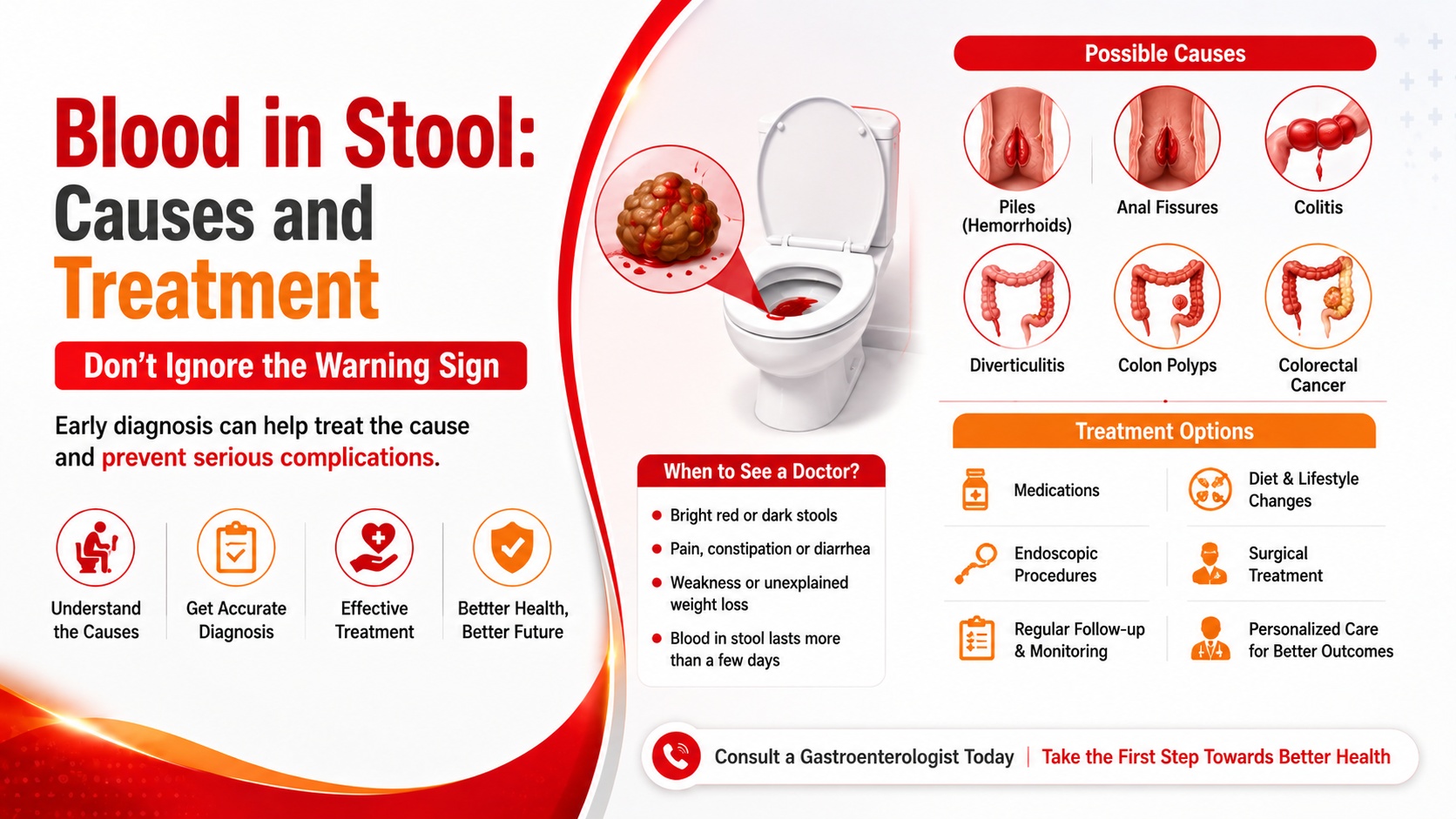
The sight of blood in your stool can be frightening, particularly if you don't know where it's coming from. It can be due to the common occurrence of pimples or an anal fissure. In other instances, it may be related to ulcers, bowel inflammation, polyps, or a different digestive problem. The color of the blood, the area where you see it, as well as whether you are experiencing any other symptoms or pain, can provide clues. However, it's difficult to pinpoint the root cause simply by looking at your stool.
What Does Blood in Stool Look Like?
Stool blood may appear in various ways. It may be visible in the toilet paper on the exterior of the stool, in the stool, or even in the bowl of your toilet.
- The bright red blood of the body is usually associated with bleeding in the lower portion of the digestive tract, specifically the rectum or anus. Fissures in the anal and piles are typical causes.
- Blood of dark red or maroon may come from deeper inside the bowel.
- A black and sticky stool may be a sign of bleeding that is higher within the digestive system, including the stomach or the upper intestine. It is important not to ignore this, particularly if you feel dizzy, weak, or sick.
The color may give doctors a valuable hint, but it will not necessarily prove the cause itself.
What Causes Blood in Stool?
There are quite a few possible reasons for seeing blood when you pass stool. Some are common and usually treatable, while others need a closer medical examination.
1. Piles or Hemorrhoids
Piles are swollen veins around the anus or lower rectum. They can cause bright red blood during or after passing stool. Itching, swelling, discomfort, or a lump around the anus may also occur.
Constipation, repeated straining, and spending a long time on the toilet can make piles worse. If bleeding keeps coming back, it is better to have it checked rather than assuming it is always piles.
You can find more about the symptoms and available piles treatment at SCI Hospital.
2. Anal Fissure
An anal fissure is a small tear in the lining of the anus. It often happens after passing a hard stool and can cause sharp pain or burning during bowel movements. A small amount of bright red blood may appear on the toilet paper or stool.
Keeping the stool soft and avoiding straining can help mild fissures heal. If the fissure does not improve or keeps coming back, anal fissure treatment may be needed.
3. Infection
Some bowel infections may cause diarrhoea and mucus or blood in the stool. Stomach cramps, fever, and frequent loose movements may occur too.
The treatment will depend on what is causing the illness. There is no need for antibiotics in every situation; therefore, it is recommended to seek medical advice prior to using them.
4. Inflammatory Bowel Disease
Ulcerative colitis and Crohn's disease can cause inflammation and bleeding in the digestive tract. Blood may come with diarrhoea, abdominal pain, an urgent need to pass stool, or unexplained weight loss.
These conditions usually need ongoing treatment to control the inflammation. Simply treating the bleeding will not address the actual problem.
5. Polyps and Colorectal Cancer
Polyps are growths that can develop inside the colon or rectum. Some of them can bleed, and certain types can become cancerous over time.
Colorectal cancer can also cause blood in the stool, particularly when bleeding continues or occurs along with changes in bowel habits, unexplained weight loss, or a change in stool pattern.
This does not mean that seeing blood automatically means cancer. Piles and fissures are much more common causes. Still, unexplained or repeated bleeding should be properly evaluated.
6. Ulcers and Other Digestive Conditions
The bleeding can also be a result of ulcers or other issues within the digestive tract. In these instances, the stool can turn dark or black instead of vibrant red.
Certain medicines, like blood thinners as well as certain anti-inflammatory medications, may make it more likely to cause stomach bleeding. Be sure to inform your doctor about any medications you take frequently.
How Is the Cause of Blood in Stool Diagnosed?
Your doctor will initially be interested in knowing what the bleeding appears like and if there are any other signs. You might be asked:
- What was the time did you first notice the bleeding?
- Does the blood appear deep red, bright, or black?
- Are you putting it on the toilet roll or in with the stool?
- Do you feel pain while going through stool?
- Are you suffering from constipation or diarrhoea?
- Did your bowel habits change in the last few days?
- Did you lose weight without even trying?
- Do you take blood thinners or any other medication?
A physical exam can be enough if there are signs of the presence of anal fissures or piles. In other situations, the doctor might recommend stool or blood tests as well as anoscopy, sigmoidoscopy, or a colonoscopy.
The test will depend upon your health conditions, your age, as well as your medical history and the findings of your doctor in the examination. Not every person with blood in their stool requires the same test.
How Is Blood in Stool Treated?
There isn't one treatment for blood in the stool, as the treatment is dependent on the root cause.
For fissures or apex-like piles, the treatment could begin with more fiber, adequate fluids, not straining, and medications to facilitate bowel movements. Certain cases require procedures or a minimally invasive procedure.
When an infection is responsible for the bleeding, treatment is based on the nature of the infection. Inflammatory bowel disease can require medications to manage inflammation.
If a polyp is detected in a colonoscopy procedure and is found to be infected, it can be removed in the same process. A bleeding ulcer or other digestive issue requires treatment specific to that problem.
When bleeding is excessive or persists despite treatment, the need for an endoscopic procedure or surgical procedure might be necessary.
What Can Help If the Bleeding Is Due to Piles or a Fissure?
If you've been diagnosed with piles or a fissure getting bowel movements more comfortable will aid in recovery.
Try:
- Get more fibre from fruits, vegetables, whole grains, and other sources.
- Drink plenty of water throughout the daytime.
- Beware of delaying the desire to go through stool.
- Do not strain during bowel movements.
- Do not sit at the sink for a long period of time.
- Warm sitz baths are recommended for discomfort if they ease it.
These techniques can be beneficial for minor fissures and piles. However, they're not a substitute for determining the source of bleeding that is not explained.
When Should You See a Doctor?
A tiny amount of red blood could be a result of an issue that is common, such as the formation of fissures or piles. However, if bleeding keeps occurring, it shouldn't just be ignored.
It is recommended to seek medical attention if:
- Continuous or heavy bleeding
- A stool that is black or tar-like
- The feeling of fainting or dizziness can be a cause.
- A severe weakness
- Extreme abdominal pain
- A lot of blood, or blood clots
It is also recommended to schedule an appointment with a doctor if you notice that the bleeding is persistent or is associated with unexplained weight loss, constant abdominal discomfort, changes in your bowel habits, or the presence of a family history of colon cancer.
When the root of the issue is found to be an issue with the anorectal system, the treatment options can be anything from lifestyle adjustments to minimally invasive or invasive procedures.
Dr. Nabanita Chatterjee, General Surgeon at SCI Hospital, treats conditions such as piles, fissures, and fistula. Her experience is particularly relevant when rectal bleeding is linked to one of these conditions and requires further treatment.
Conclusion
Stool blood is a symptom, not a condition by itself. Fissures in the anal and urethra are a common cause; however, intestinal inflammation, infections, ulcers, polyps, and other ailments can cause bleeding. The colour of blood may give indications, but it will not necessarily tell you what's wrong. If the bleeding is constantly coming back, is not clear of reason, or is accompanied by discomfort, weakness, or weight loss, or any changes in the bowel habits, having it examined is the best option. The SCI International Hospital is a multispecialist hospital. SCI International Hospital, a multispecialist hospital, patients are examined to determine the root of the problem and then receive treatment according to the root cause.
FAQs
Q- Is stool blood always the result of piles?
Ans- No. Piles are a frequent cause, especially if the blood appears vibrant red; however, anal fissures, infections, ulcers, inflammatory bowel disease, or polyps, as well as other diseases, may also trigger bleeding.
Q- Is the red-hot blood that is visible in stool an indication of something serious?
Ans- But not always. The bright red blood may occur in the form of piles or a fissure. However, if the bleeding becomes persistent, unprovoked, or growing, it is recommended to be evaluated by a physician.
Q- What is the meaning of black stool?
Ans- A black and sticky stool may indicate bleeding further within the digestive tract. This requires medical attention, especially if it's new or is associated with dizziness, weakness, or abdominal pain.
Q- Does constipation result in bloody stool?
Ans- Yes. Straining and hard stool can cause an anal fissure and increase the severity of piles. Both of them can result in bright red blood as it passes through the stool.
Q- Do I require an exam for a colonoscopy to check for blood in my stool?
Ans- Not everyone does. The doctor who examines you determines if the need for a colonoscopy lies in your health, age, symptoms, background, as well as the pattern of bleeding and results.
Q- What should I do if there is blood in the stool?
Ans- Black stools, heavy bleeding, dizziness, fainting, extreme abdominal pain, weakness, or undiagnosed bleeding or weight loss must be considered serious and examined by a physician.