
Lower abdominal pain, burning when you urinate and trouble fully emptying your bladder can be signs of bladder stones. Complications like repeated infections, urinary blockage, and damage to your bladder can happen when bladder stones go untreated. Getting checked out by bladder stone specialists in Gurgaon helps you avoid complications and urinate comfortably again.
At SCI Hospital, we use the latest laser and endoscopic techniques to treat bladder stones in Gurgaon at an advanced level and with less intrusion. Our urologists take the time to get the diagnosis right, remove the stone with the least amount of impact on you, and the quickest recovery, so you can enjoy urinary relief permanently.

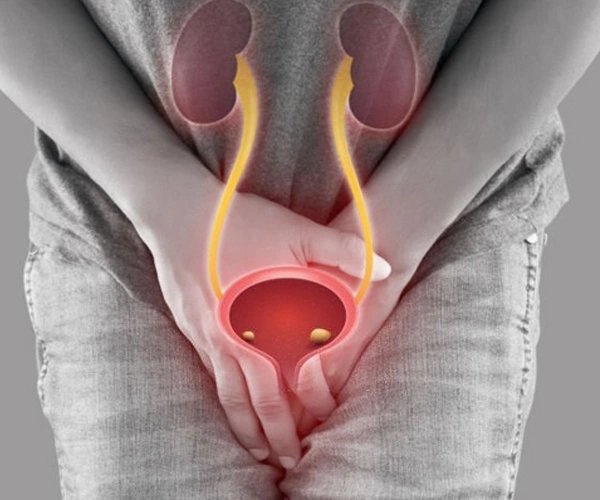
SCI Hospital has specialised services for your urology needs and endoscopic and laser stone removal. Our urology staff has vast experience in diagnosing and treating bladder stones of different sizes. In your bladder stone removal, our staff uses minimally invasive and pulpal techniques, cancer laser destruction, and challenging lithotripsy. Our personalised pebble removal and integration services are also painless.
Besides bladder stones, patients often have enlarged prostates, infection of the bladder, kidneys, and other stones. Our integrated multi-speciality services are offered in collaboration with urology, internal medicine, and anaesthesia for safe treatment. Each bladder-stone physician in Gurgaon designs tailored treatment for complete removal and to reduce the risk of being symptomatic.
Bladder stone surgery may be needed when symptoms become severe, persistent, or start affecting normal urination. Early treatment helps relieve pain and prevents complications.
Continual ache in the lower belly with pain during total bladder emptying.
Feeling pain when urinating, and the bladder is painful.
Seeing blood in the urine sometimes, or after urinating.
Feeling the need to urinate frequently, but only a small amount comes out.
Not being able to urinate because of a blockage in the bladder.
Having bladder stones and repeatedly getting infections in the urinary tract.
Stones in the bladder happen when urine is kept in the bladder for too long. Because of the long retention of urine, some minerals may start to crystallise. Situations where urine cannot fully be emptied due to bladder infection, prostate enlargement, or even due to dehydration increase the chances. The urine's mineral composition is what determines the type of bladder stone, in what ways the stone grows, and in what patterns.

The most common bladder stone. Formed when urine is highly concentrated due to dehydration or incomplete bladder emptying. These stones are often seen in an enlarged prostate or obstruction, preventing the bladder from being fully emptied. This crystallisation causes the calcium stones to dominate.
Read More
These stones are formed in urine that is consistently and extremely acidic. This is often due to dehydration, a high-protein diet, or gout. In an acidic and stagnant environment, excess uric acid that crystallises causes the formation of stones, which may cause irritation, infection, and urinary obstruction.
Read More
Struvite stones are typically formed in the bladder due to a recurrent urinary tract infection caused by the presence of bacteria. This type of stone may cause infected urine to grow, and if they get large enough, these stones can cause pain, urinary obstruction, and even a recurrent infection from the obstruction.
Read MoreWhen it comes to treating bladder stones in Gurgaon, different methods are used, depending on symptoms, cause, stone size, and hardness. At SCI Hospital, surgeons review some imaging and urinary parameters to determine which method is safest and most minimally invasive. Each method is designed to maximise stone removal and minimise trauma, hospital stay, and risk of recurrence.
The average cost of treatment for bladder stones in Gurgaon is between ₹40,000 and ₹1,20,000, which can vary due to the size of the stones, the method of treatment, and the duration of the hospital stay. With minimal recovery expenses, Endoscopic procedures are less invasive. At SCI Hospital, we ensure the confidentiality of the customer's details and provide quality treatment for bladder stones.
By using the latest techniques like Endoscopic and Laser Stone Removal, the bladder stone specialists at SCI hospital are amongst the best in Gurgaon. Each bladder stone doctor in Gurgaon studies the size of the stone, the symptoms, and the diagnosis to determine the best method of treatment. The ultimate goal of our specialists is to achieve total clearance of the stones, ensure that the stones do not occur again, and enable the patient to recover comfortably.

SCI Hospital Gurgaon employs high-end endoscopy and laser lithotripsy tools to treat stones with laser energy that shatters stones while also saving tissue. With modern imaging, stones can be contained and located before an operation.
With the use of endoscopy, large incisions are no longer necessary. This also minimises the effects of pain, bleeding, and the chances of infection. With these techniques, the amount of time spent at the hospital is minimised.
The amount of time until the patient resumes normal activities is also minimised. With high-end monitoring, the amount of time to complete the procedure and the amount of safety during the procedure are greatly enhanced.
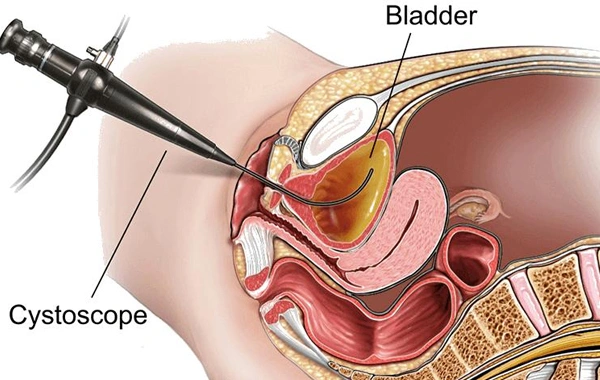

In Gurgaon, most treatments use minimally invasive techniques to make recovery as easy and quick as possible. Most patients spend no more than one night in the hospital, though this varies based on the type of surgery performed. They may notice some mild burning sensation or more frequent urination for a few days, though that side effect should also pass in a few days.
To recover and to reduce the chances of the stones coming back, patients need to make sure to stay hydrated and take their prescribed medications. Most patients will be back to their normal routine within several days. Follow-up appointments are crucial to capture the bladder during healing and to avoid forming bladder stones in the future.
In Gurgaon, SCI Hospital is first class when it comes to bladder stone treatment, thanks to their team of expert urologists and their ability to perform advanced, minimally invasive procedures. We emphasise technologically advanced, individualised approaches to stone removal, diagnosis, and care to focus on ensuring stone recurrence is not an issue.
Little stones, yes, but most need medical assistance due to safety reasons.
No, it is done under anaesthesia; there is some burning that is temporary as well.
Most take 30-60 minutes, depending on how big the stone is.
Most patients can return to their regular activities a few days after treatment.
Yes, if you have the same cause, getting some treatment guidance can help a lot.
